
Introduction
An off grid solar inverter is increasingly the go-to solution for homeowners seeking true energy independence, for rural properties beyond utility reach, and for anyone needing reliable backup power during grid outages. Unlike standard grid-tied systems that shut down during blackouts, this inverter operates entirely independently, converting solar DC power into usable AC electricity for home appliances—with or without battery storage. This guide explains why an off grid solar inverter is essential, how the technology works, real-world performance, and how to select the right capacity and features for your needs.
What Is an Off Grid Solar Inverter?
An off grid solar inverter is becoming an increasingly popular solution for homeowners seeking true energy independence, rural properties beyond the reach of utility grids, and users who require reliable backup power during outages. Unlike grid-tied systems that automatically shut down when the utility grid fails, an off grid solar inverter operates completely independently, converting solar-generated DC power into usable AC electricity for household appliances, with or without battery storage.
This guide explains why an off grid solar inverter is essential for modern residential energy systems, how the technology works in real-world applications, and what factors to consider when selecting the right capacity and features for your specific needs.
Why an Off Grid Solar Inverter Instead of a Grid‑Tied?
Many homeowners ask: Why not stay connected to the grid? Here is the decision logic.
Grid‑tied inverters are cheaper upfront but offer zero backup during blackouts. By law, they must shut down immediately when the grid fails (anti‑islanding). If your area experiences frequent outages, a grid‑tied system leaves you in the dark.
An off grid solar inverter creates its own independent microgrid. It continues to power your home from solar and batteries even when the utility is down. The trade‑off is a higher initial cost (batteries add expense) and no ability to sell excess power back to the grid (unless using a hybrid model).
For remote properties with no grid access, an off grid inverter is the only practical solution. For suburban homes with a reliable grid but occasional outages, pairing an off grid inverter with a moderate battery bank provides the best of both worlds: daily solar savings and outage protection.
Who Should Choose an Off Grid Solar Inverter?
This technology is ideal for specific user profiles:
-
Rural homeowners with no grid access – Complete independence from expensive diesel generators or utility extension (which can cost tens of thousands of dollars).
-
Suburban homes with frequent blackouts – Seamless backup power for lights, refrigerator, internet, and water pumps during storms or grid failures.
-
Small farms or workshops – Run power tools, irrigation pumps, and lighting without a grid connection.
-
RVs, vans, and cabins – Portable off‑grid power for weekend or seasonal use.
-
Households with moderate energy consumption (5–15kWh/day) – A properly sized off grid inverter (5–8kW) paired with 5–10kWh of lithium battery and 4–6kWp of solar can deliver 90–95% solar independence.
If your daily consumption exceeds 20kWh or you run central air conditioning for hours daily, consider a larger inverter (8–10kW) or multiple units in parallel.
How an Off Grid Solar Inverter Works (Unified Module)
An off grid solar inverter performs three core functions in one enclosure. Let us cover them once, clearly.
DC to AC Conversion
Solar panels produce DC electricity. The inverter converts this into clean, stable AC power at 220/230/240V, 50/60Hz, with pure sine wave output essential for sensitive electronics and motor‑driven appliances. Conversion efficiency typically reaches 92–98%.
MPPT Solar Charge Controller
The Maximum Power Point Tracker continuously adjusts the operating voltage to extract the maximum available power from the solar array, even under changing sunlight conditions (clouds, shading, time of day). Most quality off grid inverters feature a wide MPPT voltage range – often 60–450VDC or 120–500VDC – allowing flexible panel string configurations. Maximum solar charging current ranges from 60A for smaller units to 120A for 5–8kW models. MPPT efficiency can reach 98–99%.
Battery Management and Charging
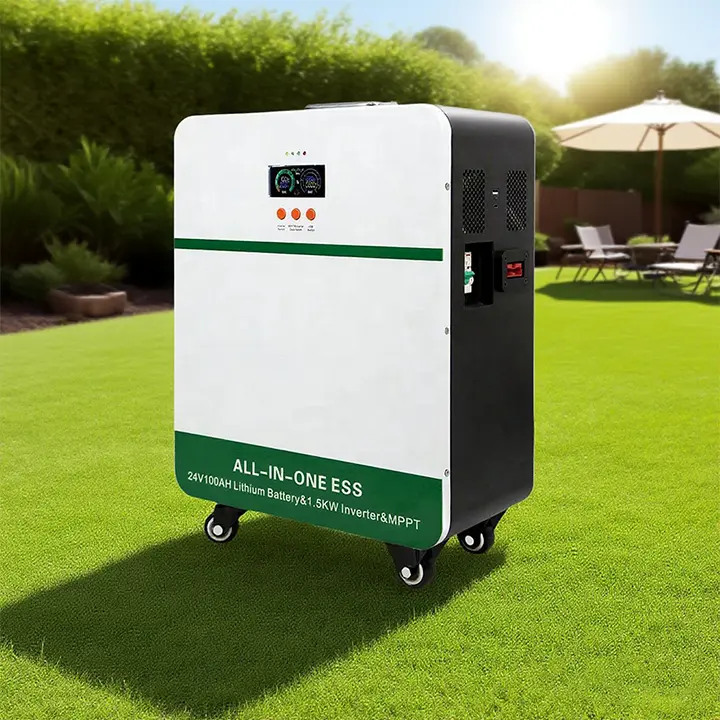
When batteries are connected, the inverter manages charging using multi‑stage algorithms (bulk, absorption, float) for lead‑acid, and direct BMS communication for lithium (LiFePO₄ via RS485 or CAN bus). A typical 120A charging current means a 5–10kWh battery bank can be fully recharged in 4–6 hours of good sunlight. For systems without batteries, many modern off grid inverters can operate in “no battery” mode, powering loads directly from solar during daylight hours – a useful feature for budget‑conscious initial installations.
Key Specifications at a Glance (Typical for 5–8kW Class)
| Specification | Typical Range |
|---|---|
| Rated output | 3kW – 10kW (choose based on load) |
| Surge rating | 2× rated power for 10–20 seconds |
| Output waveform | Pure sine wave (mandatory) |
| MPPT voltage range | 60–450VDC or 120–500VDC |
| Max PV input power | 1.2× to 1.5× rated output |
| Max solar charge current | 60A – 120A |
| Nominal battery voltage | 24V (small systems) / 48V (5kW+) |
| Battery chemistry | LiFePO₄ (with BMS), AGM, GEL, Flooded |
| AC input (backup generator) | 90–280VAC, 50/60Hz auto‑sensing |
| Transfer time | 10–20ms (uninterruptible) |
| Parallel capability | Yes (up to 6–9 units) |
| Operating temperature | -10°C to +50°C |
Real-World Case Studies
Case 1 – South Africa home with frequent blackouts. A family of four in Rustenburg installed a 6kW off grid inverter (comparable to 6.2kW class) with a 5kWh lithium battery and 2.2kW of solar panels. Winter generation is about 11kWh daily; summer reaches 15kWh. Result: over 50% savings on electricity bills and complete independence from rolling blackouts, with payback estimated at 2–3 years.
Case 2 – Rural Tibet, no grid access. A household with no utility connection used a 5kW off grid inverter with a 10kWh (48V×200Ah) lithium battery and 2.75kW of solar panels (5 × 550W). The system provides 24/7 renewable power, eliminating fuel costs from kerosene and diesel generators.
Case 3 – Modern three‑bedroom house, 500kWh/month consumption. A 6kW off grid inverter successfully powers heat pumps, induction cooking, laundry equipment, yard tools, entertainment devices, and an electric lawn mower with 5.5kW surge loads. The system achieves 95% solar independence using smart load management.
Off Grid Solar Inverter vs. Grid‑Tied vs. Hybrid
| Feature | Off Grid Inverter | Grid‑Tied Inverter | Hybrid Inverter |
|---|---|---|---|
| Grid required | No | Yes | No (can work with or without) |
| Backup during outage | Yes | No | Yes (with battery) |
| Battery required | Optional (recommended for 24/7) | No (optional for hybrid models) | Optional |
| Sell power to the grid | No (unless specified) | Yes | Yes (with export capability) |
| Ideal for | Remote homes, unreliable grids, full independence | Urban homes with net metering | Home with grid + backup needs |
For homeowners who experience frequent outages or have no utility access, an off grid inverter is the clear choice. For those with a reliable grid who want both savings and backup, a hybrid inverter (which can work off‑grid when needed) may be more flexible.
How to Choose the Right Capacity for Your Off Grid Solar Inverter
Selecting the correct power rating is the most important decision. Follow this step‑by‑step process.
Step 1 – Calculate your continuous and surge loads. List all appliances you might run simultaneously. Add their running watts. Then identify the largest motor startup surge (refrigerator, well pump, air conditioner). Your inverter’s continuous rating must exceed your total continuous load; its surge rating must exceed the worst‑case startup surge.
Common appliance loads (approximate):
-
LED lights: 5–15W each
-
Refrigerator: 150–300W running, 800–1200W surge
-
Freezer: 200–400W running, 1000–1500W surge
-
Washing machine: 500–1000W running, 1500–2500W surge
-
Microwave: 800–1500W
-
Well pump (1HP): 750W running, 3000W surge
-
TV: 100–300W
-
Laptop/router: 50–100W
-
Small air conditioner (1 ton): 1200W running, 3600W surge
Step 2 – Determine daily energy consumption (kWh). Track your usage from utility bills or use a plug‑in monitor. Typical off‑grid homes need 5–15kWh/day. Multiply by days of autonomy (2–3 days) to size your battery bank.
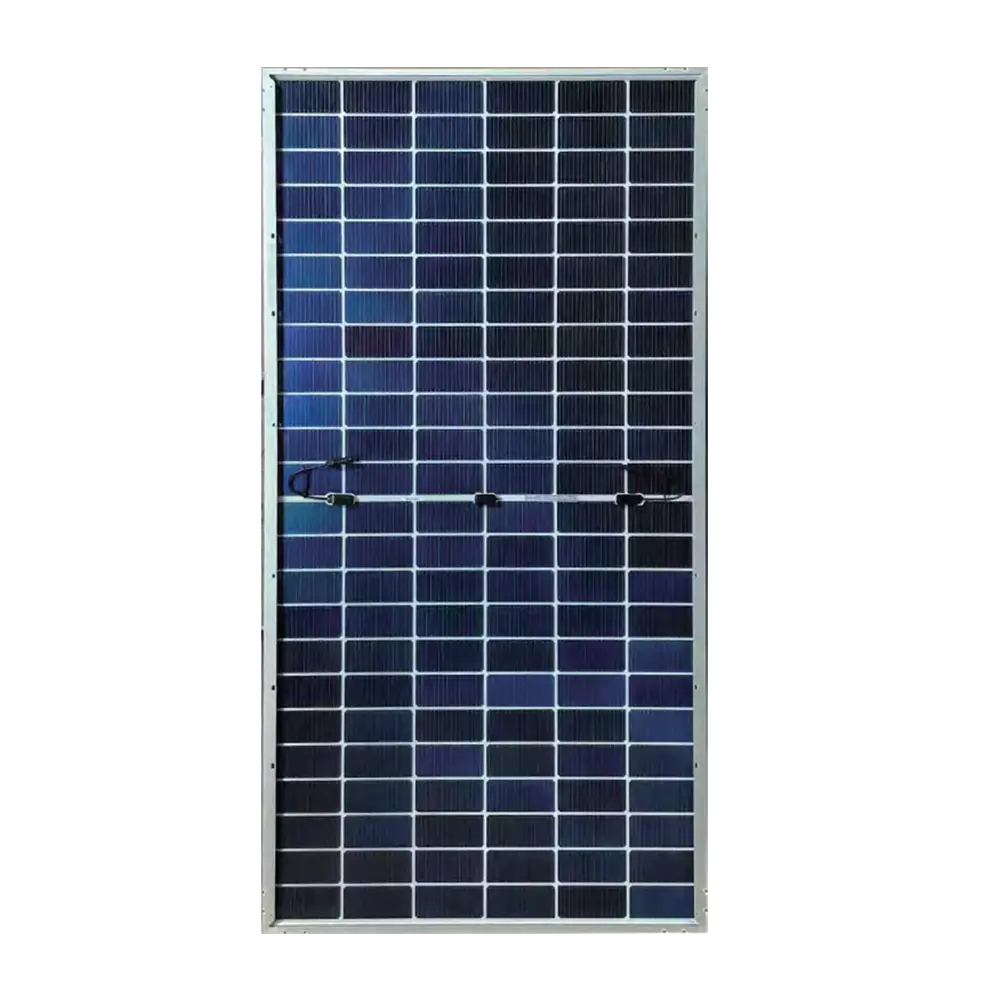
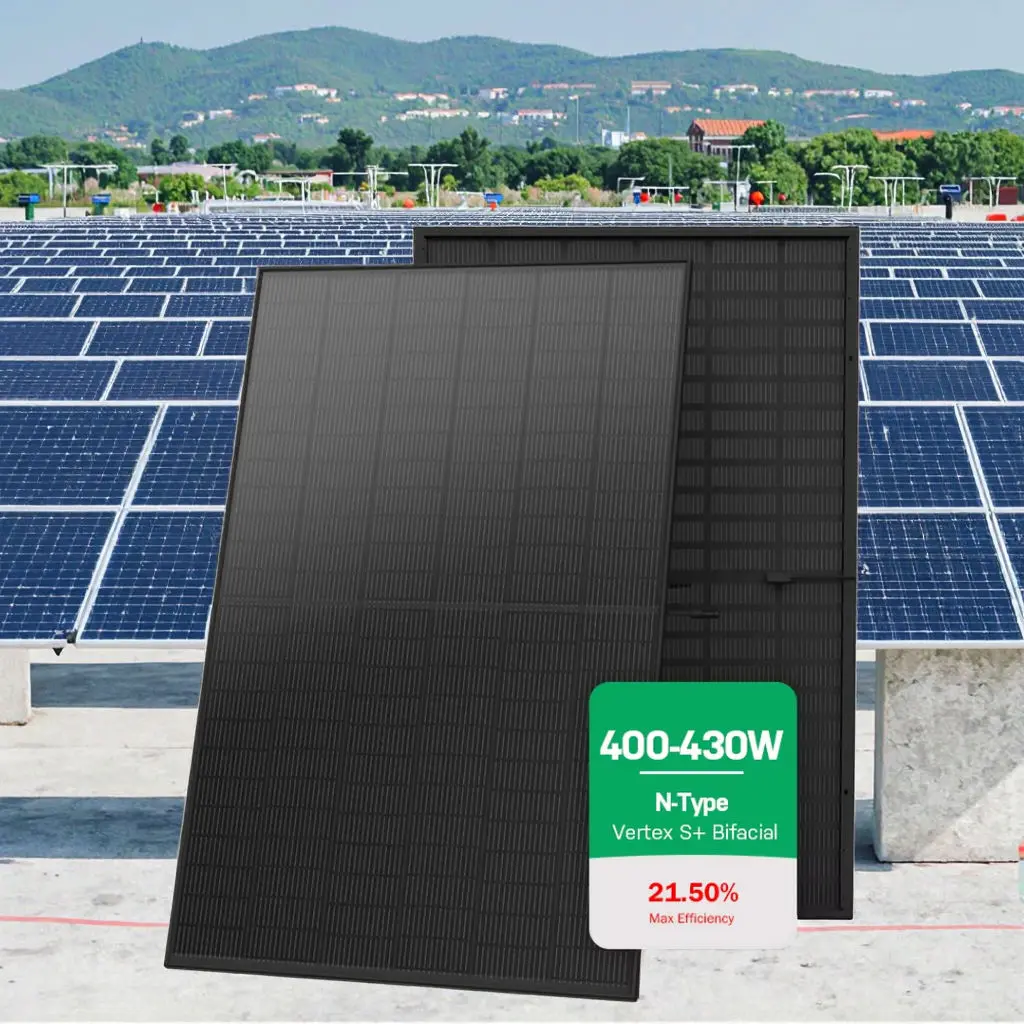
Step 3 – Size the solar array. An off-grid inverter typically accepts up to 1.2–1.5× its rated output in PV power. For a 5kW inverter, use 6–7kWp of panels. In average sun (4–5 peak sun hours), 5kWp generates 20–25kWh/day – sufficient for most homes.
Step 4 – Match inverter capacity to your load profile:
-
1–3kW: Small cabins, RVs, workshops (lights, phone charging, small fridge)
-
3–5kW: Tiny homes, small apartments (fridge, washing machine, TV, water pump)
-
5–8kW: Standard 2–4 bedroom home (all essential loads, small AC)
-
8–12kW: Large home with central AC, electric stove, well pump, multiple appliances
Step 5 – Decide on battery or battery‑less. If the budget is tight, start without batteries to power loads during sunlight only. Add batteries later for 24/7 power.
Step 6 – Verify BMS communication for lithium batteries. Ensure the inverter supports your chosen battery’s CAN or RS485 protocol. Mismatched communication is a common cause of system failure and reduced battery life.
Cost and Return on Investment (2025 Reference)
Approximate component costs for a DIY off grid system (5–6kW class):
-
Off grid solar inverter (5–6kW): $400–800
-
48V lithium battery (5–10kWh): $1000–2000
-
Solar panels (5–6kWp): 0.35–0.50perwatt(1750–3000)
-
Balance of system (cables, breakers, disconnects, mounting): $500–1000
-
Total DIY system (with battery): $3650–6800
Payback period compared to grid electricity at 0.20/kWhand15kWh/day usage (1095/year) is 3–6 years. For off‑grid homes using diesel generators at 0.40–0.60/kWh,paybackcanbeunder2years.Tax credits (e.g.,302000–5000 but ensures safety and warranty compliance.
FAQ
Q1: Can an off grid solar inverter run a whole house without a grid?
Yes, if sized correctly. A 5–8kW unit can power a typical 2–4 bedroom home with lights, refrigerator, washing machine, water pump, TV, computer, and microwave. For central AC or electric heat, check surge ratings and consider an 8–10kW inverter.
Q2: How many solar panels for a 5kW off grid solar inverter?
With 400W panels, 13–15 panels (5.2–6kWp). With 550W panels, 10–11 panels (5.5–6kWp). Stay within the MPPT voltage range (e.g., 60–450VDC). Use a string calculator.
Q3: Is an off grid solar inverter worth it if I have grid power?
Yes, if you experience frequent blackouts or want true energy independence. An off grid inverter with a small battery provides seamless backup during outages. For purely financial savings with a reliable grid, a grid‑tied or hybrid system may offer faster payback.
Q4: Can I use an off grid solar inverter without batteries?
Many modern models support battery‑less operation, providing AC power directly from solar during daylight hours. You will have no power at night or during heavy clouds unless you add batteries later. This is a great way to start small and expand.
Q5: What size off grid solar inverter do I need for a 2‑bedroom house?
A 3–5kW inverter is often sufficient for essential loads (lights, fridge, TV, computer, water pump). For a washing machine, microwave, and small AC, choose 5–6kW. Always add a 25–50% margin for future expansion and motor surges.
Conclusion
An off grid solar inverter offers a practical pathway to true energy independence for residential users, remote properties, and anyone frustrated with unreliable grid power. It converts solar DC electricity into usable AC power, manages battery charging, and operates completely independently of the utility grid.
Selecting the right system capacity—typically 5–8kW for a standard household—requires careful consideration of continuous load, surge demand, daily energy consumption, and battery storage requirements. Real-world case studies consistently show that well-designed off grid systems can achieve 90–95% solar self-sufficiency, with a typical payback period of 3–6 years depending on local electricity costs and system configuration.
Whether you are planning a new off-grid home, upgrading an existing energy system, or simply looking for reliable backup power during outages, an off grid solar inverter remains one of the most proven and cost-effective solutions available today.
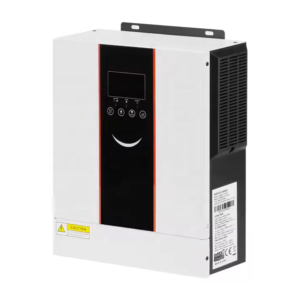
To explore suitable options, we provide the SF T-SOLAR series of off grid inverters featuring pure sine wave output, high-efficiency MPPT technology, and a wide PV input voltage range for flexible system design. Please feel free to contact us anytime with any questions or needs.