
Introduction
Growing electricity prices, frequent outages on the grid, and growing concerns about climate change are driving homeowners and businesses to consider solar energy. But many early adopters are in trouble: The traditional solar array is expensive to build, difficult to install, and slow to show tangible results.
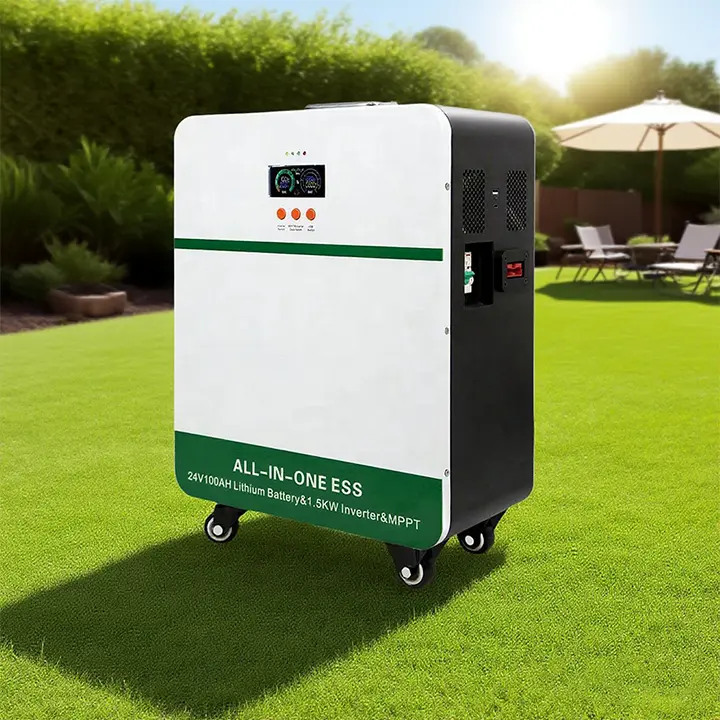
All in one solar power solutions help solve these problems directly. By placing the battery, inverter, charge controller, and energy management in one single, pre-engineered unit, you avoid compatibility issues, cut installation time in half, and get backup power from day one.
This is the promise of modern all in one solar power system: simplicity without compromise. Get the full technical details of our integrated solar system here.
What Makes an All in One System Different
One Cabinet, One Warranty, One Support Line
A conventional solar-plus-storage setup often comes from three or more vendors — one for panels, one for the inverter, one for the batteries — each with its own warranty terms and technical support. An all in one solar power system consolidates everything into a single enclosure, delivering these key advantages:
-
Single point of accountability – one warranty, one support team for the entire energy storage and conversion chain
-
Factory-tested integration – pre-configured wiring looms and firmware eliminate cross-vendor compatibility issues before the unit ships.
-
Rapid installation – certified installers routinely complete a full residential setup in under four hours, compared to the two days often needed for separate components.
Engineered for Hybrid Operation Off-Grid and On-Grid
Not all solar systems handle both off-grid independence and grid-tied efficiency gracefully. A Hybrid All in One Solar Power System for Home and Business is purpose-built to switch modes automatically. During the day, solar panels charge the battery directly while surplus energy powers appliances; at night, the battery discharges seamlessly; during an outage, the system isolates from the grid in under 20 milliseconds, supplying backup power without interruption. The grid-connection type on these units is explicitly listed as “Off grid, Hybrid grid,” making them suitable for both remote locations and urban homes with net metering.
Core Technology That Drives Reliability
These components are what elevate a premium all in one solar power system above generic alternatives, and each one is engineered to work in harmony from the first minute.
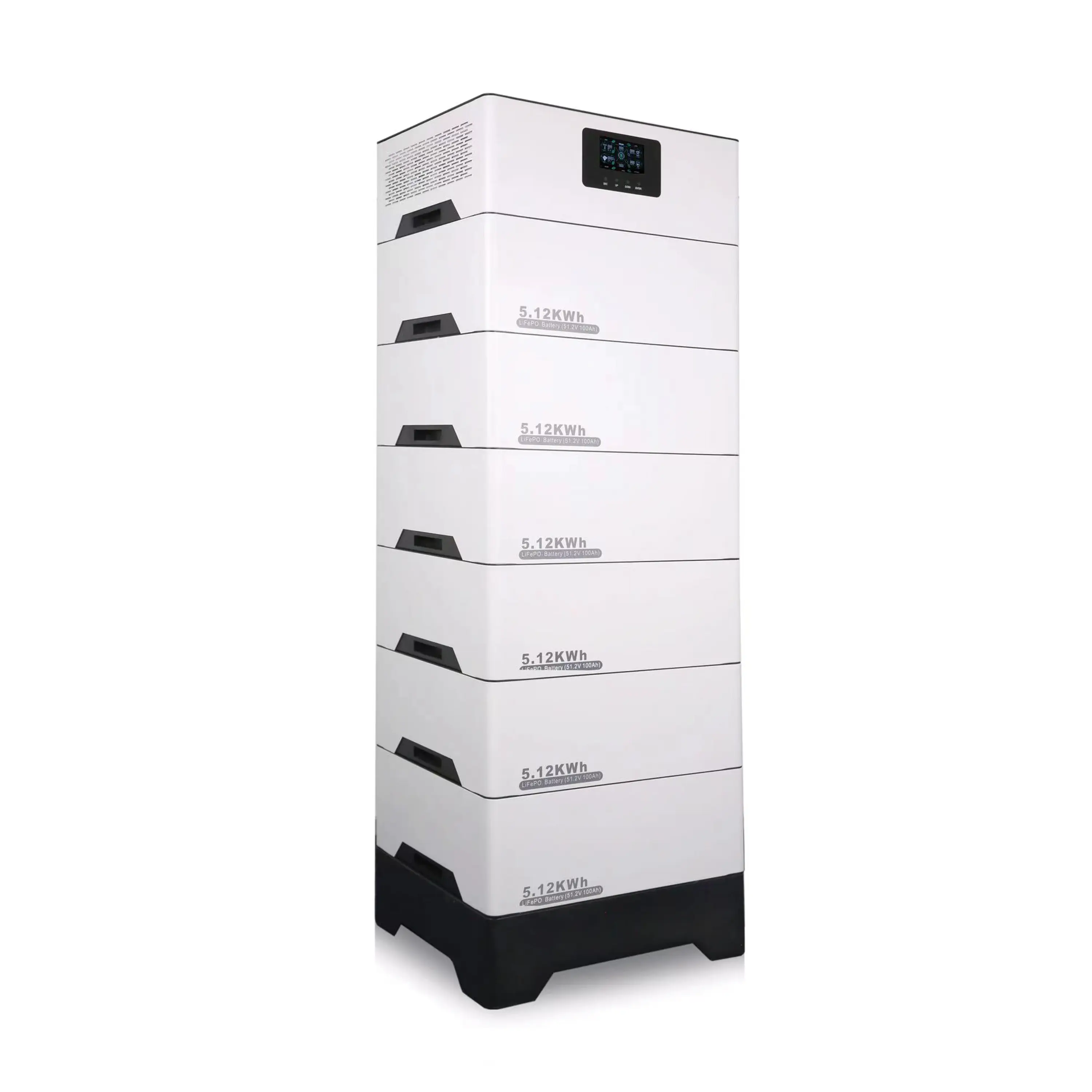
All in One Solar Power System with 70kWh LiFePO4 Battery: 6,000 Cycles of Confidence
Battery chemistry determines everything about a solar storage system — safety, lifespan, usable capacity, and long-term cost. An All in One Solar Power System with 70kWh LiFePO4 Battery uses lithium iron phosphate cells, which offer thermal stability far superior to conventional NMC lithium-ion batteries. Here is what makes this battery technology the practical choice for stationary storage:
-
Extreme cycle life – 6,000 cycles at 80% depth of discharge, translating to over 16 years of daily cycling before capacity drops to 80%
-
Inherent safety – LiFePO4 cells remain structurally stable at temperatures above 150°C, virtually eliminating thermal runaway risk
-
Deep usable capacity – 80–90% depth of discharge routinely available, providing a full 70.68 kWh of energy for the home or business
-
Multi-day autonomy – a household consuming 20 kWh per day can run for more than three full days on the battery alone, even with zero solar input
LiFePO4 vs. Other Battery Types: The Clear Winner for Stationary Storage
| Parameter | LiFePO4 | Lead-Acid | NMC Lithium |
|---|---|---|---|
| Cycle Life (to 80% capacity) | 4,000–6,000 | 800–1,200 | 2,000 |
| Energy Density (Wh/kg) | ~130 | ~35 | ~200 |
| Thermal Runaway Risk | Low | None | High |
| Maintenance Required | None | Regular watering | None |
| Usable Depth of Discharge | 80–90% | 50% | 80–90% |
All in One Solar Power System with 11kW Pure Sine Wave Inverter: Utility-Grade Power
An All in One Solar Power System with an 11kW Pure Sine Wave Inverter is built to power everything from LED lights and refrigerators to medical equipment and server racks without voltage distortion. Pure sine wave output matches or exceeds utility-grade power quality, offering several critical benefits:
-
Distortion-free output – protects sensitive electronics, variable-speed motors, and audio equipment from humming and overheating
-
Heavy load handling – 11 kW continuous rating runs a central air conditioner (3.5 kW), electric oven (3 kW), washing machine (1.2 kW), and household electronics concurrently.
-
Full compatibility – unlike modified sine wave inverters, pure sine wave prevents motor-driven appliances from running hotter and extend their service life.
IP65 All in One Solar Energy Storage System with MPPT: Maximum Harvest, Any Weather
Maximum Power Point Tracking is what separates a solar system that only performs well on sunny afternoons from one that extracts useful energy from first light to dusk. An IP65 All in One Solar Energy Storage System with MPPT continuously adjusts the electrical operating point of the solar array to capture the maximum available power. Compared to basic PWM controllers, an MPPT-based all in one solar power system delivers:
-
15–30% more energy harvest in real-world conditions, especially during cold mornings and cloudy weather when panel voltage is naturally higher
-
93–97% conversion efficiency between the array and the battery, minimizing DC losses
-
Dynamic maximum power point tracking that reacts to temperature, shading, and irradiance changes in real time
IP65 Enclosure: Outdoor-Ready Without a Shelter
Many energy storage systems demand a dedicated garage, basement, or weatherproof shed. An all in one solar power system rated IP65 changes that equation entirely:
-
Total dust protection (IP6X) – no ingress of fine particles, crucial for agricultural, coastal, and desert installations
-
Water-jet resistance (IPX5) – withstands low-pressure water jets from any direction, meaning it operates safely during heavy rain and hose-down cleaning
-
Zero additional shelter required – simply place the unit on a concrete pad or mount it against an exterior wall, saving the cost and space of constructing a protective enclosure
All in One Solar System with CAN Communication: Intelligent Battery Management
A reliable energy storage system depends on fast, accurate communication between the battery management system (BMS) and the inverter. An Off-Grid and On-Grid All in One Solar Power System with CAN Communication uses the same robust protocol found in modern electric vehicles. This communication architecture provides:
-
Real-time BMS-to-inverter data sharing via CAN bus — state-of-charge, temperature, and fault status flow between components continuously
-
Automatic protective actions — when a cell imbalance is detected, the inverter immediately reduces charge current, preserving battery health without human intervention.
-
Flexible integration ports — RS-485 and RS-232 interfaces connect to external energy meters, building management systems, and remote monitoring dashboards
Smart Energy Management and Remote Monitoring
The same CAN and serial communication backbone that orchestrates internal hardware also enables a sophisticated digital user experience. Modern all in one solar power systems ship with companion mobile apps and web portals that display real-time power flows, battery health metrics, and historical energy data. This transparency brings tangible operational advantages:
-
Remote troubleshooting – installers can diagnose issues over the cloud, often resolving configuration problems without an on-site visit
-
Usage-aware scheduling – programmable time-of-use settings automatically prioritize battery charging when grid electricity is cheapest and discharge when rates peak, maximizing savings.
-
Load management integration – the system can shed non-critical loads intelligently if the battery reaches a predefined state-of-charge, preserving power for essential circuits
-
Firmware-over-the-air updates – enhanced MPPT algorithms and new grid-code certifications roll out without replacing hardware, future-proofing the installation
That’s the intelligence a true all in one solar power system brings to daily energy management — turning a static backup box into an actively managed energy hub.
Financial and Operational Advantages at a Glance
The table below compares the ownership experience of an all in one solar power system against the traditional multi-box approach across the metrics that matter most for long-term value.
| Factor | All in One Solar Power System | Traditional Multi-Box System |
|---|---|---|
| Installation Time | 4–6 hours | 1.5–2 days |
| Warranty Responsibility | Single vendor | 3+ vendors, split liability |
| Compatibility Risk | Factory-tested | Cross-vendor firmware issues |
| Space Footprint | One compact cabinet | Multiple wall-mounted units |
| Maintenance Complexity | Single firmware update | Multiple systems to monitor |
| Outdoor Installation | IP65 rated, no shelter needed | Often requires indoor mounting |
| Round-Trip Efficiency (DC-coupled) | 95–97% with single conversion | 90–92% with multiple conversions |
An all in one solar power system packs inverter, batteries, and management electronics into a single unit, reducing setup time and compatibility issues. Single-vendor support and unified firmware reduce troubleshooting costs across the system’s 15+ year service life.
Who Benefits Most: Real-World Application Scenarios
Residential Use: Everyday Energy Savings, Seamless Backup
A suburban family facing three to five outages per year installs a hybrid all in one solar power system on the side of the house. During normal operation, solar panels charge the 70 kWh battery while the home draws from both solar and grid power, automatically prioritizing self-consumption to lower monthly bills.
During an outage, the switch is invisible. The system transfers to off-grid mode in under 20 milliseconds — so fast that computers and clocks don’t reset. The 11 kW inverter powers the refrigerator, lights, internet router, sump pump, and even the heat pump for hours or days.
No fuel, no noise, no extension cords. The family gains whole-home backup without ever buying or maintaining a generator, transforming a previously complex backup project into a simple plug-and-play investment.
Small Business Use: Protecting Revenue When the Grid Fails
A corner grocery store in an area with unreliable grid power uses an all in one solar power system to keep refrigeration units, point-of-sale terminals, and LED lighting running during extended outages. A single four-hour blackout could destroy thousands of dollars in perishable inventory.
Real-time visibility keeps the business running. With the system’s CAN-based communication architecture, the store manager monitors battery state-of-charge and solar input from a smartphone, receiving alerts before the battery reaches critical levels. The IP65 enclosure sits on the rear exterior wall, leaving no indoor floor space consumed and requiring zero structural modification.
Agriculture and Cold Storage: Rugged Reliability Where It Matters Most
Farms, dairies, and cold-storage facilities operate in environments where dust, moisture, and temperature swings are relentless. An IP65 All in One Solar Energy Storage System with MPPT is specifically designed to thrive in these conditions. Consider a mid-sized poultry farm that loses ventilation during a summer outage — within minutes, the flock is at risk.
The all in one system acts as a silent sentinel. The farm installs a unit with an 11kW pure sine wave inverter capacity to power exhaust fans, feed lines, and lighting. The sealed IP65 cabinet withstands the dust and ammonia-rich air of the barn, while MPPT controllers ensure maximum energy harvest from the rooftop array even when morning dew and dirt partially soil the panels.
Hybrid mode creates a multi-source safety net. The system keeps the battery charged from the grid as a silent standby and ties into the farm’s generator controller via CAN communication, creating a seamless energy ecosystem that eliminates any single point of failure.
Remote Sites: Complete Off-Grid Independence
A remote eco-lodge with no grid connection powers guest cabins, a communal kitchen, and a water pump entirely from solar. The off-grid all in one solar power system handles the variable loads without a generator — wood stoves provide cooking heat, eliminating the largest electrical draw. Deploying one pre-integrated unit instead of sourcing a separate inverter, charge controller, and battery bank saves days of shipping coordination and on-site wiring, making off-grid living simpler from the start.
Government Incentives Are Accelerating Adoption
Solar investment is increasingly supported by government incentives worldwide. In India, the PM Surya Ghar scheme allocation rose from ₹7,818 crore in 2024–25 to ₹17,000 crore in 2025–26, signaling strong backing for residential solar-plus-storage projects. In Spain, 2026 brought income tax deductions for self-consumption solar systems, covering 10–20% of the investment. Meanwhile, Oregon’s SB 827, effective January 2026, introduced rebates for battery storage systems paired with existing solar installations. Across the United States, many states now offer direct-pay tax credits for solar-plus-storage setups.
These incentives, combined with falling battery costs, are dramatically shortening payback timelines. BloombergNEF reports that the average lithium-ion battery pack price dropped to $115 per kWh in 2024, a 20% year-on-year decrease, with further declines expected.
For a typical U.S. household installing an all in one solar power system at $18,000–$24,000, the 30% federal Investment Tax Credit alone reduces the net cost by $5,400–$7,200. When combined with state rebates and time-of-use savings, the payback period can shrink to just 5–7 years. After that, electricity costs are essentially eliminated for the remaining 10–15 years of system life, making an all in one solar power system both an environmentally responsible and financially smart investment.
Addressing Common Concerns About All in One Systems
Many buyers ask whether a single-box solution compromises flexibility or value. Here is how an integrated architecture delivers against those concerns:
-
Myth: An all in one system is more expensive than buying separate components. While the sticker price may appear comparable, the installed cost is typically lower because labor, cabling, and commissioning are drastically reduced. The single warranty also eliminates the risk of cost allocation disputes between component manufacturers.
-
Myth: If one part fails, the whole system is useless. Modern all in one solar power systems feature a modular internal design. Inverter modules, battery packs, and BMS boards can be serviced or swapped individually. The system is not a sealed black box; it is a thoughtfully integrated cabinet with field-replaceable subassemblies.
-
Myth: Integrated systems are less flexible for future expansion. Leading all in one platforms support DC-coupled expansion ports that allow adding more battery capacity over time. MPPT input channels accommodate additional solar strings, making the system as scalable as a component-based build — without the initial complexity.
These reassurances make an all in one solar power system the lower-risk choice for anyone who values long-term reliability over short-term component shopping.
FAQ
Q: How long can a 70kWh all in one solar power system power a typical home?
A: A home consuming 20 kWh daily can run for approximately 3 days on a full battery charge without any solar input. With even partial daily solar charging, runtime extends indefinitely, limited only by seasonal sun availability.
Q: Can the system operate in both off-grid and on-grid modes?
A: Yes. This is a hybrid all in one solar power system designed for seamless switching between grid-tied, off-grid, and backup modes. It automatically isolates from the grid during outages and reconnects when utility power is restored.
Q: Is professional installation required, or can I install it myself?
A: Professional installation by a licensed electrician is strongly recommended. While the pre-integrated design dramatically reduces installation time, connecting to a home’s electrical panel and complying with local codes requires qualified expertise.
Q: What maintenance does an all in one solar power system require?
A: Virtually none. LiFePO4 batteries require no watering or equalization. The sealed IP65 enclosure prevents dust and moisture ingress. Occasional firmware updates and visual inspection of connections are sufficient for 15+ years of reliable operation.
Q: How does an all in one system compare in cost to buying separate components?
A: While hardware cost may appear similar or slightly higher, total installed cost is often lower when factoring in reduced labor, fewer wiring materials, and single-vendor warranty coverage. Long-term ownership costs are lower due to reduced maintenance and simplified support.
Q: What happens if one component fails — does the whole system need replacing?
A: No. Commercially available all in one solar power systems feature a modular internal design. Individual modules — battery packs, inverter sections, BMS boards — can be serviced or replaced without scrapping the entire unit.
Q: How does this all in one solar power system outperform modular competitor solutions?
A: It delivers faster installation, IP65 outdoor rating, a single warranty, and native CAN communication that eliminates cross-vendor integration bugs. These advantages reduce both upfront labor costs and long-term operational risk compared to piecing together separate components from multiple brands.
Conclusion
Energy independence should not require a degree in electrical engineering. An all in one solar power system eliminates the fragmentation that has made solar-plus-storage unnecessarily complex for too long. When you combine a 70 kWh LiFePO4 battery, an 11 kW pure sine wave inverter, MPPT controllers, IP65 outdoor-rated construction, and native CAN communication in one factory-integrated unit, the result is a system that installs faster, runs more efficiently, and lasts longer than any piecemeal alternative.
The solar market is moving decisively toward integration. Global home solar equipment alone is expected to grow from $95.24 billion in 2025 to $225.45 billion by 2032 — a compound annual growth rate of 13.09%. The hybrid, all in one segment leads this expansion precisely because it addresses the real pain points of cost, complexity, and reliability.
If you are evaluating solar storage solutions for your home or business, demand a system that is pre-integrated, outdoor-rated, and backed by a single warranty. Contact us today for a free, no-obligation quote and start your journey toward reliable, clean power — on day one.