
Abstract
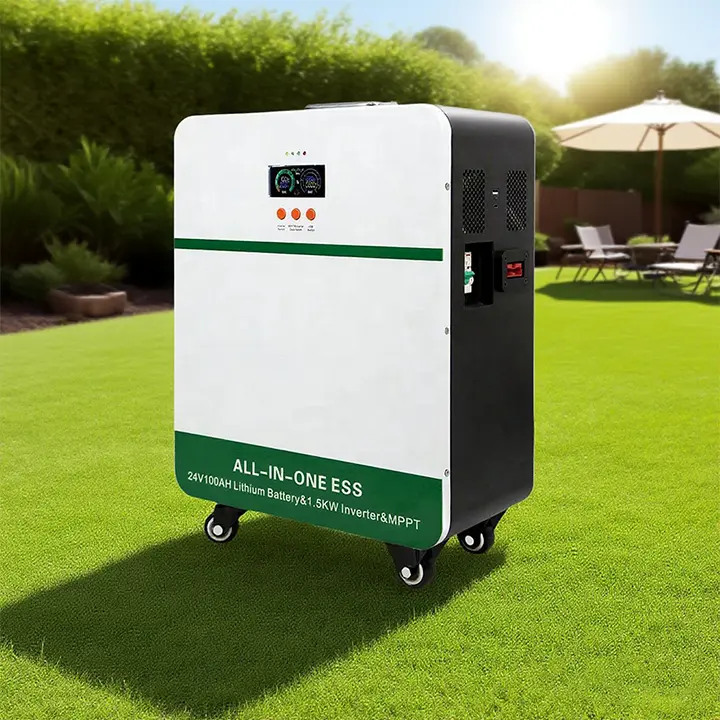
This article provides a comprehensive technical and commercial guide to the 5kWh 51.2V 100Ah stackable LiFePO4 home energy storage system integrated with a 5kW MPPT hybrid inverter. Designed for residential solar installations, this IP65-rated solution addresses critical procurement considerations, including system architecture, scalability, grid compatibility, and total cost of ownership for B2B buyers and solar integrators. The modular battery configuration enables capacity expansion from 5kWh to 20kWh through parallel stacking, while the integrated CAN communication protocol ensures seamless battery management and safety compliance. With certifications meeting UL 1973, IEC 62619, and IEEE 1547 standards, this turnkey home energy storage system delivers reliable energy independence for residential retrofit projects, new construction microgrids, and small commercial applications requiring demand charge management. Choosing the right home energy storage system is critical for maximizing solar ROI.
System Architecture and Core Components
51.2V 100Ah LiFePO4 Battery Module Specifications
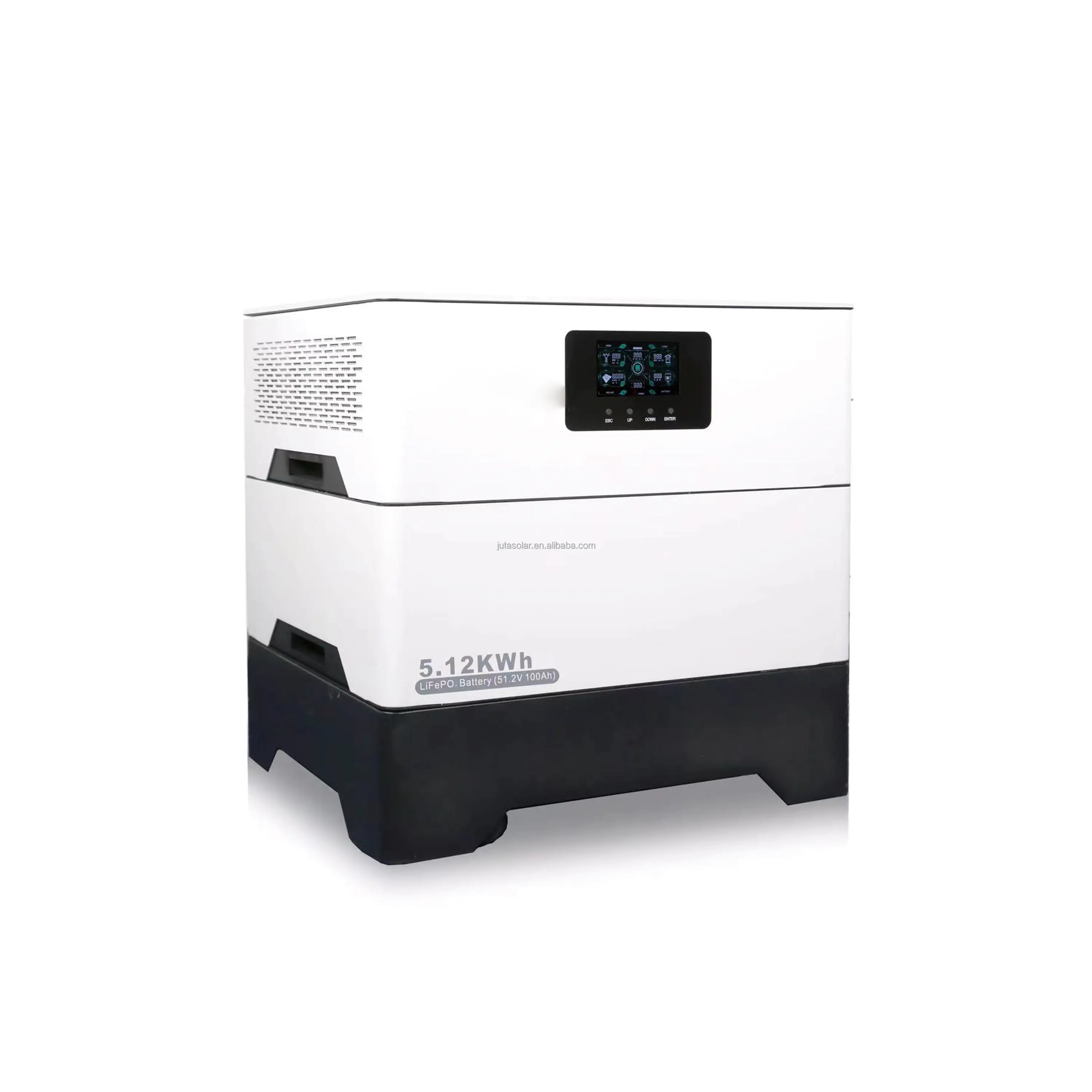
The battery module employs lithium iron phosphate (LiFePO4) chemistry, delivering superior thermal stability and cycle longevity compared to conventional lithium-ion alternatives. With a rated capacity of 100Ah at 51.2V nominal voltage, each module provides 5.12kWh usable energy. The chemistry’s inherent safety characteristics stem from the phosphate-based cathode structure, which remains stable at temperatures up to 270°C, significantly reducing thermal runaway risks during overcharge or short-circuit conditions. This makes it an ideal home energy storage system for families concerned about safety.
Cycle life performance exceeds 6,000 deep discharge cycles at 80% depth of discharge (DoD), translating to approximately 15-20 years of operational lifespan under typical residential usage patterns. This longevity derives from minimal lithium plating and reduced structural degradation during charge/discharge cycles. The battery management system (BMS) integrates multi-layer protection, including:
-
Overcharge Protection: Automatic cell balancing when individual cells exceed 3.65V, with system shutdown at 58.4V pack voltage
-
Over-Discharge Protection: Low-voltage cutoff at 40V to prevent irreversible capacity loss
-
Temperature Management: Operating range -20°C to 60°C with thermal sensors triggering derating at 55°C
-
Short-Circuit Protection: 200A fuse and electronic circuit breaker responding within 10ms
-
Cell Balancing: Active balancing maintains <30mV voltage differential across 16 series-connected cells
The modular housing features flame-retardant ABS construction with IP65-rated sealing, protecting internal components from dust ingress and water jets during outdoor installation. Each module weighs approximately 52kg with dimensions of 600mm (W) × 400mm (D) × 180mm (H), optimized for wall-mount or floor-stack configurations. A well-designed home energy storage system must balance capacity, weight, and installation flexibility.
5kW Hybrid Inverter with Integrated MPPT Controller
The hybrid inverter operates in three distinct modes: grid-tied with battery backup, off-grid autonomous, and grid-charging mode. Pure sine wave output maintains total harmonic distortion (THD) below 3%, ensuring compatibility with sensitive electronic loads. Peak efficiency reaches 97.6% during DC-AC conversion, minimizing energy losses during discharge cycles. This inverter is the brain of any modern home energy storage system.
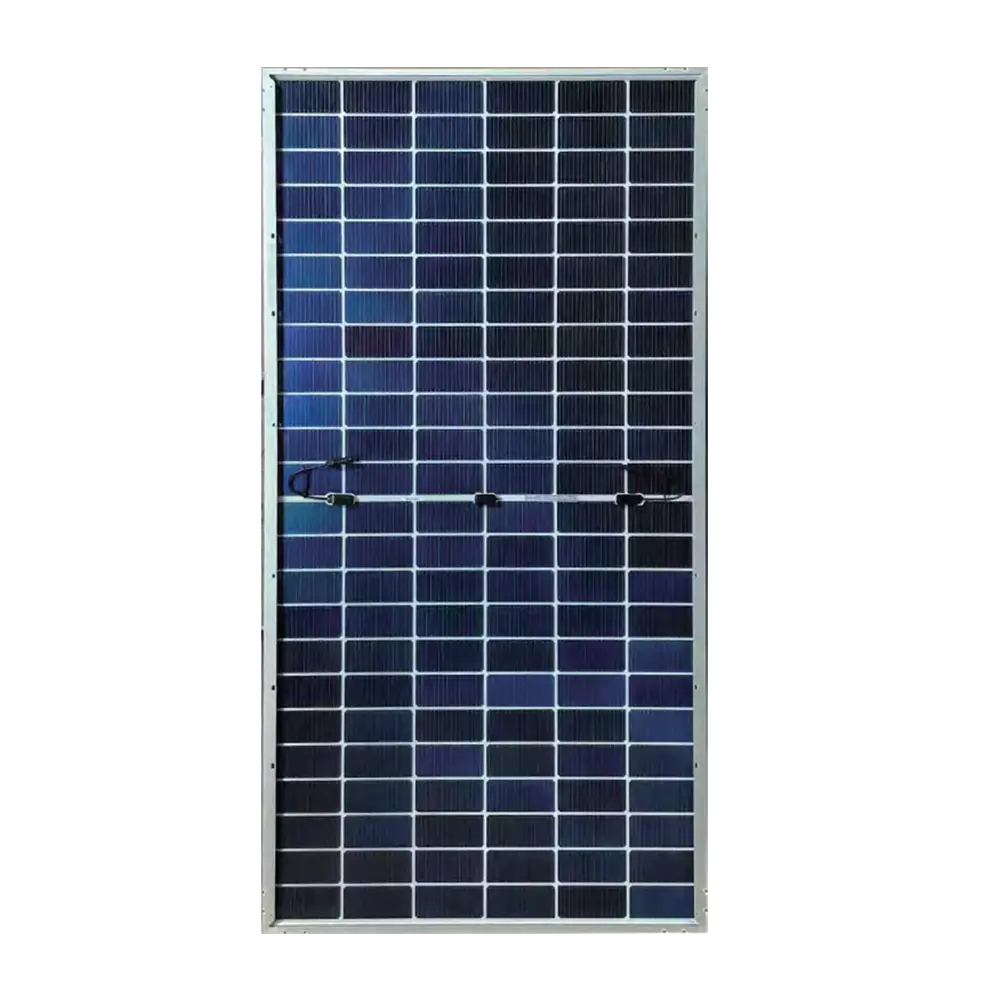
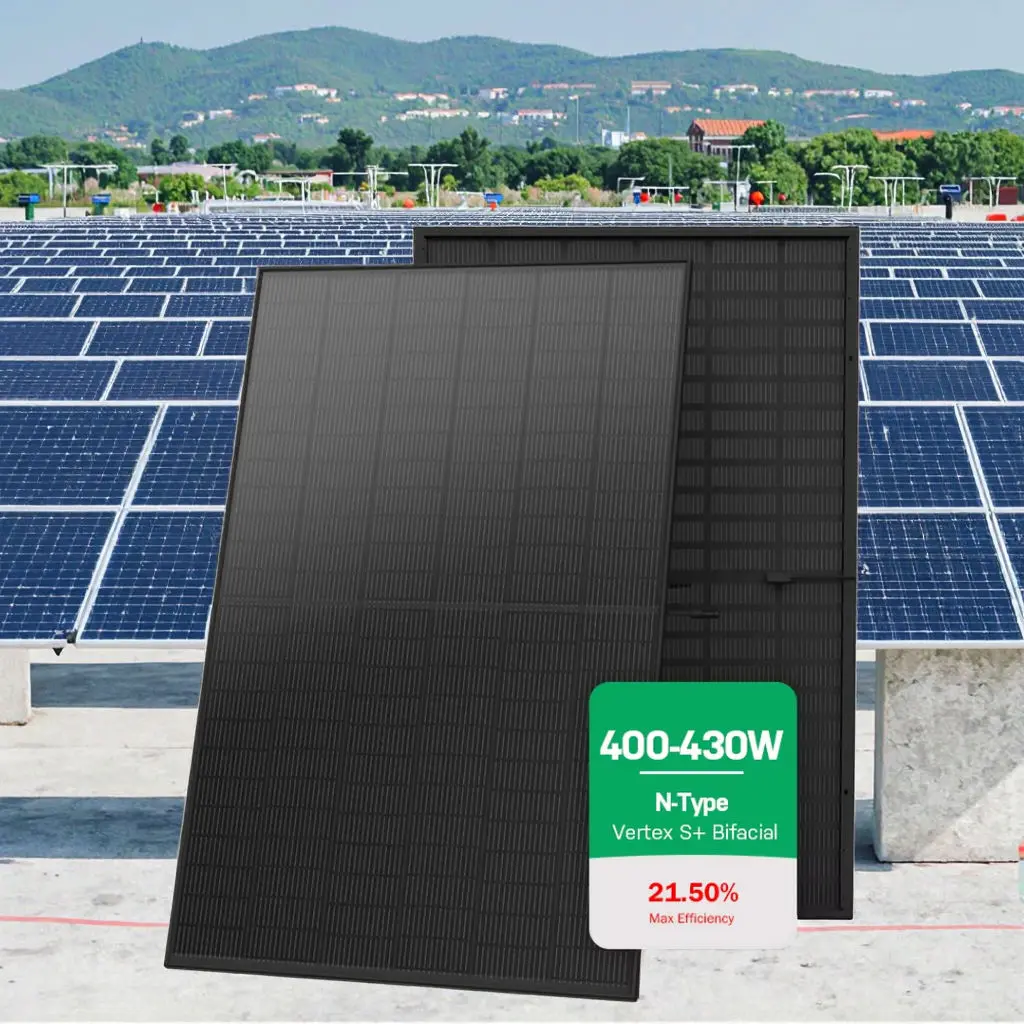
The integrated Maximum Power Point Tracking (MPPT) controller supports PV input voltage ranging from 120V to 500V DC, with dual independent MPPT channels allowing optimization of differently oriented solar arrays. MPPT efficiency exceeds 99.5% across the operational voltage range, extracting maximum available solar energy even during partial shading conditions. The controller supports up to 6.5kW PV input, providing 30% oversizing capability for optimal winter performance. When paired with a compatible home energy storage system, solar self-consumption can exceed 90%.
CAN 2.0B communication protocol enables real-time data exchange between the inverter and battery BMS at 250kbps, monitoring state of charge (SoC), cell voltages, temperatures, and fault conditions. This bidirectional communication allows the inverter to dynamically adjust charging current based on battery temperature and SoC, extending battery lifespan through optimized charge profiles. The IP65-rated aluminum enclosure withstands outdoor installation with operating temperatures from -25°C to 60°C, featuring convection cooling that eliminates fan noise and maintenance requirements. This robust design ensures the home energy storage system performs reliably in all climates.
Scalability and Installation Considerations
Stackable Configuration for Capacity Expansion
The system architecture supports parallel connection of up to four battery modules, scaling total capacity from 5kWh to 20kWh without inverter replacement. Each additional module connects via plug-and-play DC connectors rated for 100A continuous current, with integrated pre-charge resistors preventing inrush current during connection. The BMS master-slave configuration automatically designates one module as the communication master, synchronizing charge/discharge operations across all parallel units. This stackable design makes this home energy storage system future-proof.
Voltage balancing occurs through the individual BMS units, which communicate via RS485 daisy-chain topology to ensure equal current distribution. When multiple modules operate in parallel, the system maintains <2% current imbalance through real-time impedance monitoring and dynamic load sharing algorithms. This precision prevents premature aging of individual modules and maximizes overall system lifespan. Every home energy storage system from this series undergoes rigorous balancing tests before shipment.
Physical stacking utilizes reinforced mounting brackets supporting up to 220kg total weight for four-module configurations. The vertical footprint remains constant at 600mm × 400mm, with height increasing by 180mm per module. This space efficiency proves critical for residential installations where utility room space constraints limit equipment placement. Cable management channels integrated into the module housing organize DC interconnects and communication cables, maintaining UL safety clearances. A compact home energy storage system like this fits easily into garages or utility closets.
Electrical Integration and Grid Compliance
AC coupling architecture allows retrofit installation with existing solar inverters, connecting the hybrid inverter to the main electrical panel via a dedicated 240V AC circuit breaker. This configuration enables the battery system to charge from both solar production and grid electricity during off-peak hours, maximizing economic returns through time-of-use arbitrage. Retrofitting an existing solar array with this home energy storage system typically costs 40-50% less than a full DC-coupled replacement.
Anti-islanding protection meets IEEE 1547-2018 requirements, detecting grid disconnection within 2 seconds through active frequency shift and voltage monitoring algorithms. Upon grid failure, the inverter seamlessly transitions to off-grid mode in <20ms, maintaining power to critical loads without interruption. Automatic grid reconnection occurs after a 5-minute stabilization period, preventing nuisance tripping during momentary outages. Grid compliance is non-negotiable for any home energy storage system intended for utility interconnection.
Ground fault protection integrates residual current detection with 30mA sensitivity, meeting NEC Article 690 requirements for PV systems. The inverter also provides programmable export limiting, restricting grid feed-in to comply with utility interconnection agreements. Typical installation requires 4-6 hours for a certified electrician, including:
-
Battery module mounting and interconnection (90 minutes)
-
Inverter installation and AC wiring (120 minutes)
-
PV input connection and MPPT configuration (60 minutes)
-
System commissioning and grid compliance testing (90 minutes)
| Parameter | Single Unit | 2-Unit Stack | 4-Unit Stack |
|---|---|---|---|
| Capacity (kWh) | 5.12 | 10.24 | 20.48 |
| Max Discharge Power (kW) | 5 | 5 | 5 |
| Dimensions W×D×H (mm) | 600×400×180 | 600×400×360 | 600×400×720 |
| Weight (kg) | 52 | 104 | 208 |
| Backup Duration (2kW load) | 2.5 hrs | 5 hrs | 10 hrs |
| Parallel Communication | CAN Bus | RS485 Chain | RS485 Chain |
Commercial Value for Solar Integrators
Total Cost of Ownership Analysis
The system’s economic value extends beyond initial capital expenditure through multiple revenue streams and cost avoidance mechanisms. Upfront investment for a complete 5kWh home energy storage system typically ranges from $4,500-$6,000, depending on regional labor costs and permitting fees. When amortized over the 15-year minimum lifespan (6,000 cycles ÷ 1 cycle/day), the levelized cost of storage reaches $0.08-$0.10 per kWh, competitive with grid electricity rates in Tier 2 markets.
Energy arbitrage opportunities arise in markets with time-of-use (TOU) electricity pricing. A household consuming 30kWh daily can shift 5kWh from off-peak charging ($0.12/kWh) to peak discharge ($0.32/kWh), generating $0.20/kWh savings or approximately $365 annually. In California markets with SGIP incentives providing $200/kWh rebates, the net system cost reduces to $3,500-$4,800, improving payback periods to 7-9 years. A properly sized home energy storage system can cut peak demand charges significantly.
Federal Investment Tax Credit (ITC) eligibility at 30% (through 2032) applies when the system charges exclusively from solar generation, reducing after-tax cost by $1,350-$1,800. Warranty coverage includes a 10-year full replacement for battery capacity degradation below 80%, and a 5-year parts warranty for inverter components. Extended warranties up to 15 years are available at 12% premium, providing procurement security for long-term project financing.
Maintenance costs remain minimal due to solid-state components and fanless cooling design. Recommended annual inspections verify connection torque and firmware updates, costing approximately $150-$200 per visit. Over 15 years, total maintenance expenditure typically remains below 3% of initial investment, significantly lower than generator-based backup systems requiring fuel, oil changes, and combustion engine servicing. This low-maintenance home energy storage system is ideal for remote or second homes.
Target Application Scenarios
Residential Solar Retrofit Projects: Existing solar installations without battery storage represent the primary market segment. The AC-coupled architecture eliminates the need to replace functional string inverters, reducing upgrade costs by 40-50% compared to DC-coupled replacements. Homeowners gain backup power capability and TOU optimization without system redesign. Adding this home energy storage system to an existing PV array is the fastest way to increase self-sufficiency.
New Construction Microgrid Systems: Developers integrating solar-plus-storage in master-planned communities benefit from the stackable design’s flexibility. Initial 5kWh installations in starter homes can expand to 10-15kWh as residents’ energy needs grow, providing upgrade paths without equipment obsolescence. Community-scale deployments of 50+ units qualify for volume pricing discounts of 15-22%. Each home energy storage system can be monitored remotely via CAN bus.
Off-Grid Vacation Homes: Remote properties beyond grid extension range utilize the system’s autonomous off-grid mode. When paired with 3-4kW solar arrays, the 5kWh battery provides 24-hour energy autonomy for typical cabin loads (refrigeration, lighting, electronics). The IP65 rating withstands harsh mountain and coastal environments without climate-controlled enclosures. For off-grid living, a reliable home energy storage system is indispensable.
Small Commercial Demand Charge Management: Businesses facing demand charges of $15-$25/kW can deploy the 5kW inverter to shave peak consumption during high-demand periods. A retail store with 8kW peak demand can reduce billable demand to 3kW, saving $900-$1,500 monthly in markets with aggressive demand pricing structures. Even a small home energy storage system can deliver commercial savings when scaled appropriately.
Procurement and Technical Support
Quality Assurance and Certifications
Manufacturing quality control follows ISO 9001:2015 protocols with incoming material inspection, in-process testing, and final system validation. Battery cells undergo 100% capacity testing and internal resistance measurement, with acceptance criteria requiring <3mΩ variation within production lots. Each battery module receives an individual serial number for tracking, warranty administration, and field performance monitoring. Every home energy storage system is traceable to its cell batch.
Safety certifications include:
-
UL 1973: Batteries for use in stationary, vehicle auxiliary power, and light electric rail applications
-
UL 9540A: Test method for evaluating thermal runaway fire propagation in battery energy storage systems
-
IEC 62619: Secondary cells and batteries containing alkaline or other non-acid electrolytes – Safety requirements
-
CE Marking: EMC Directive 2014/30/EU and Low Voltage Directive 2014/35/EU compliance
-
RoHS: Restriction of Hazardous Substances compliance
Factory acceptance testing protocols verify:
-
Full charge/discharge cycle at 0.5C rate, confirming rated capacity
-
72-hour high-temperature storage at 55°C, validating thermal management
-
Insulation resistance >100MΩ between DC circuits and chassis ground
-
Communication protocol verification across CAN/RS485 interfaces
-
Grid simulation testing for anti-islanding and voltage/frequency ride-through
OEM and ODM customization services accommodate project-specific requirements, including:
-
Custom voltage configurations (24V, 48V systems for telecom applications)
-
Modified enclosure colors and branding for installer private labeling
-
Integrated energy management systems with cloud connectivity
-
Pre-configured settings for regional grid codes (AS 4777, G98, VDE-AR-N 4105)
Minimum order quantities for standard configurations start at 10 units for stock items, with lead times of 15-20 business days for North American distribution. Custom configurations require 50-unit minimums with 45-60 day production cycles. Technical support includes pre-sales system sizing assistance, installation training webinars, and a 24/7 tier-2 troubleshooting hotline for certified installers.
FAQ
Q1: What is the expected degradation rate after 5000 cycles?
LiFePO4 chemistry exhibits approximately 20% capacity fade after 6,000 cycles at 80% DoD under controlled temperature conditions (25°C average). This translates to 80% remaining capacity, still meeting warranty specifications. Real-world degradation varies with operating temperature – systems maintained below 30°C average typically retain 85% capacity at 5,000 cycles, while installations averaging 40°C may degrade to 75% capacity. The BMS thermal management and cell balancing algorithms actively mitigate degradation. This home energy storage system is designed to outlast typical inverter warranties.
Q2: Can this system operate independently without solar panels?
Yes, the hybrid inverter functions as a standalone battery inverter with grid-charging capability. In this configuration, the home energy storage system charges from utility power during off-peak hours and discharges during peak periods or outages. However, this operating mode may disqualify the installation from ITC tax credits, which require solar charging as the primary energy source. For maximum economic benefit, pairing with a minimum 3kW solar array is recommended to capture both energy arbitrage savings and available incentives.
Q3: What are the lead times for bulk orders (50+ units)?
Standard configuration orders of 50-100 units ship within 25-30 business days from order confirmation, including factory testing and export documentation. Orders exceeding 100 units or requiring custom specifications (modified BMS settings, private labeling, regional certifications) extend lead times to 50-65 business days. Expedited production is available at 15% premium cost, reducing timelines by 10-12 business days. For project-based procurement, we recommend 90-day advance ordering to accommodate shipping, customs clearance, and on-site delivery coordination. Bulk orders of this home energy storage system qualify for white-label options.
Q4: How does the system handle multiple batteries in parallel without active balancing issues?
The BMS employs a master-slave architecture where one module acts as the communication master, broadcasting charge/discharge current limits to all slave units. Each slave BMS continuously monitors its own cell voltages and temperatures, sending status data via the RS485 daisy-chain. If voltage divergence exceeds 50mV, the master reduces total charging current proportionally, allowing the lower-voltage modules to catch up. This “passive balancing through current limiting” prevents overcharge of any single module without requiring expensive active balancers. It’s a proven method for multi-module home energy storage system configurations.
Q5: What after-sales technical support is included with bulk purchases?
Bulk buyers receive priority technical support, including a dedicated account manager, 24/7 engineering hotline (tier-2 support), remote diagnostic access via the inverter’s monitoring portal, and annual on-site training for certified installers. Warranty claims are processed within 72 hours, with advance replacement units shipped for confirmed defects. Additionally, firmware updates are provided free for 10 years. For large fleet deployments of this home energy storage system, we offer a 5% discount on extended warranties and a dedicated spare parts inventory.
Conclusion
The 5kWh stackable LiFePO4 home energy storage system with 5kW hybrid inverter represents a mature, scalable solution for residential energy independence and small commercial demand management. Its modular design enables capacity expansion from 5kWh to 20kWh through simple parallel connection, providing installation flexibility that adapts to evolving energy requirements without equipment replacement. The LiFePO4 chemistry’s proven 6,000+ cycle lifespan and inherent thermal stability deliver superior total cost of ownership compared to alternative lithium-ion chemistries, particularly in high-ambient-temperature installations.
Compliance with UL 9540A, IEC 62619, and IEEE 1547 standards ensures compatibility with utility interconnection requirements across North American and European markets. The IP65-rated enclosures and fanless cooling design minimize maintenance requirements while enabling outdoor installation without climate-controlled housing. For solar integrators, the AC-coupled architecture simplifies retrofit installations, reducing labor costs and preserving existing solar investments. Selecting a certified home energy storage system protects your project against regulatory delays.
Buyers should evaluate scalability needs based on projected load growth, assess local grid requirements for export limiting and anti-islanding compliance, and verify installer certification and long-term technical support capabilities when specifying this home energy storage system for residential or light commercial projects. The combination of proven LiFePO4 technology, flexible system architecture, and comprehensive safety certifications positions this solution as a reliable choice for turnkey battery storage deployments requiring a 5-20 kWh capacity range.
Ready to scale your solar business with a reliable home energy storage system? Feel free to contact us anytime.