
Введение
A 12V to 220V square wave inverter is the most affordable way to turn solar-charged battery power into usable household electricity. It takes steady 12V direct current from a battery and converts it into 220V alternating current at 50Hz or 60Hz. The output is not smooth like grid power, but a 12V to 220V square wave inverter works perfectly for lights, phone chargers, fans, small TVs, and basic tools. For millions of off-grid homes across Africa, Southeast Asia, and rural South America, this simple device replaces kerosene lamps and enables mobile phone charging.
This article explains how a 12V to 220V square wave inverter works, which appliances it can run, how to size it correctly, and when to upgrade to a pure sine wave inverter.
How a Square Wave Inverter Works
A 12V to 220V square wave inverter operates in three stages: oscillation, switching, and voltage step-up.
Oscillation: An oscillator circuit, typically built around a CD4069 CMOS IC, generates a timing signal. A resistor-capacitor network sets the frequency using the formula f = 1 / 2.2RC. Selecting the correct R and C values produces an accurate 50Hz or 60Hz square wave.
Switching: The timing signal controls a pair of power MOSFETs or transistors in a push-pull configuration. When the first switch closes, current flows through one half of the transformer’s primary winding. When it opens and the second switch closes, current flows through the other half in the opposite direction. This creates a square wave that alternates between +12V and -12V.
Step-Up: The square wave pulses enter a centre-tapped step-up transformer with a turns ratio of approximately 1:18. The secondary winding outputs 216V to 220V AC. The result is a square wave oscillating between +220V and -220V at the chosen line frequency. A well-designed 12V to 220V square wave inverter achieves 85–90 percent efficiency. No-load power consumption ranges from 0.5 to 2 watts. The simplicity of this design—fewer than twenty components—keeps costs low but produces a waveform with high harmonic distortion (45 percent THD or more).
Square Wave vs Pure Sine Wave Inverters
When comparing a 12V to 220V square wave inverter with a pure sine wave unit, the choice affects appliance compatibility, efficiency, and cost.
| Особенности | 12V to 220V Square Wave Inverter | Pure Sine Wave Inverter |
|---|---|---|
| Форма выходного сигнала | Abrupt square shape | Smooth sinusoidal curve |
| Total harmonic distortion | 45% or higher | Under 5% |
| Motor efficiency | Draws 20% more current | Rated efficiency |
| Audible noise | Humming on fans, lights | Silent operation |
| Electronic compatibility | Ограниченный | Full |
| Relative cost (per watt) | 1x baseline | 3x to 5x more |
Why the extra cost matters: Motors and transformers rely on smoothly changing magnetic fields. A square wave‘s abrupt transitions introduce harmonics that do no useful work but still consume power. A refrigerator that draws 100W from pure sine wave power may draw 120W from a 12V to 220V square wave inverter. Over a day, that extra 20 percent depletes batteries faster and requires larger solar arrays.
The middle ground – modified sine wave: Modified sine wave inverters step positive, pause at zero, step negative, and pause again. This waveform has about 24 percent THD. These units cost roughly twice as much as a 12V to 220V square wave inverter but half as much as a pure sine wave.
For purely resistive loads (lights, heaters) or switched-mode power supplies (phone chargers, laptop bricks), a 12V to 220V square wave inverter works perfectly. For motors, compressors, or any device with a microprocessor, pure sine wave is the safer choice.
What Appliances Can It Power
Knowing what works and what fails prevents damage to both appliances and the 12V to 220V square wave inverter.
Works well (no issues):
-
Incandescent bulbs and LED lights
-
Kettles, irons, space heaters, rice cookers
-
Phone and tablet chargers
-
Laptop power adapters
-
Handheld power tools with brushed motors (drills, angle grinders)
Works with limitations (reduced efficiency or noise):
-
Ceiling fans and pedestal fans (audible hum)
-
Refrigerators and freezers (20% higher power draw, high starting surge)
-
Water pumps (similar to refrigerators)
-
Microwave ovens (reduced output power, humming)
-
Fluorescent lights with magnetic ballasts (buzzing, dimmer output)
Should never connect (risk of damage or malfunction):
-
Desktop computers and servers
-
Laser printers
-
Medical devices (CPAP, oxygen concentrators)
-
Audio amplifiers (distortion, possible speaker damage)
-
Digital clocks that use AC line frequency for timing
-
Variable speed drives and electronic dimmers
Testing an unknown appliance: Check the label. If it specifies 100–240V AC, 50–60Hz, it contains a switched-mode power supply and almost certainly works with a 12V to 220V square wave inverter. Plug it in and listen for unusual buzzing. Monitor temperature for the first 10 minutes. If it operates normally, it is safe.
Real-world example: A phone charging shop in rural Tanzania runs eight charging ports, four LED bulbs, and a fan from a 200W 12V to 220V square wave inverter. The owner earns USD 4 per day charging phones. The system paid for itself in two months. Pure sine wave would have tripled the initial cost with no added benefit because phone chargers do not require clean sine wave power.
How to Choose the Right Inverter Size
Selecting the correct power rating for your 12V to 220V square wave inverter prevents premature failure and wasted money.
Step 1: List simultaneous appliances. Write down every device that might run at the same time. Note the running wattage from the label. For appliances listing only amps: Watts = 220V × Amps.
Step 2: Calculate total continuous load. Add all running wattages. For two LED bulbs (10W each), one phone charger (10W), and one fan (70W), the total is 100W. A 150W 12V to 220V square wave inverter provides a 50 percent safety margin.
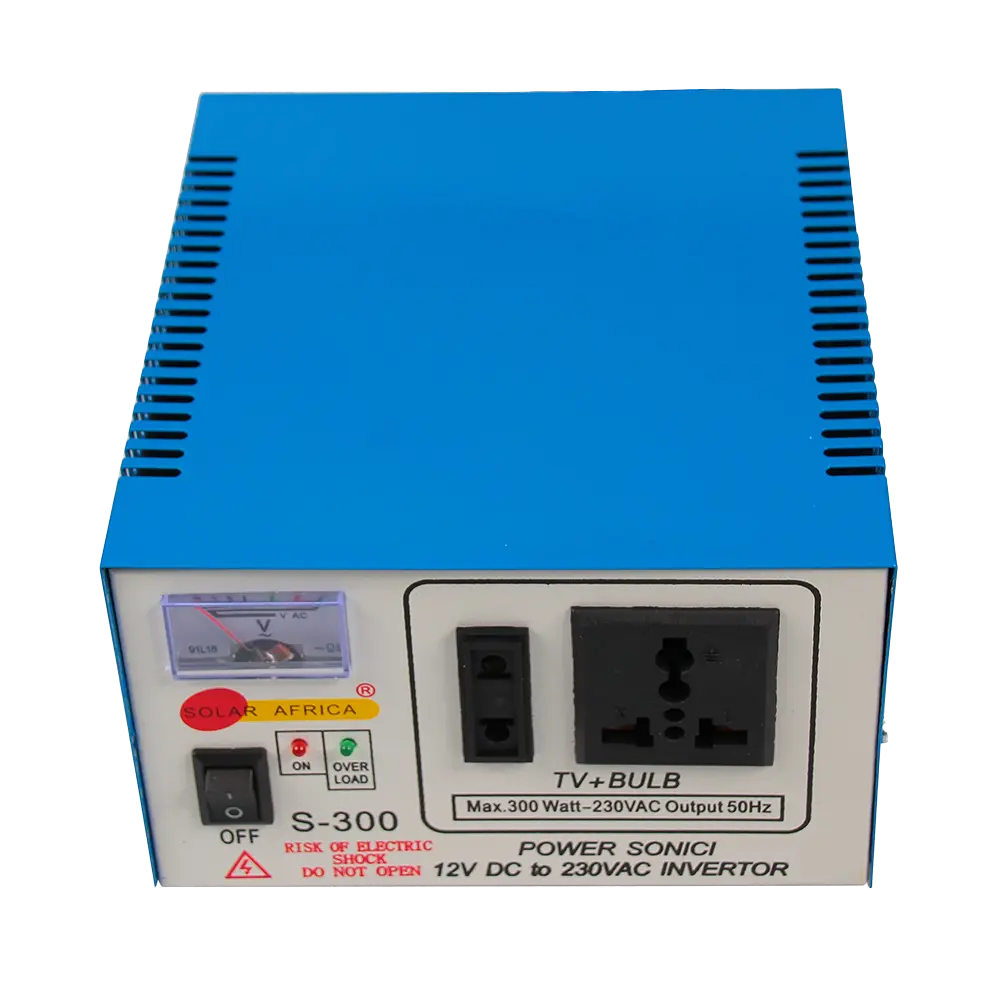
Step 3: Account for surge power. Motors and compressors draw 3 to 7 times their running wattage for the first few seconds. A refrigerator rated at 150W running may require 600W to start. Check the inverter surge rating. For example, the S-150 model offers 150VA continuous and 200VA surge for 3 seconds.
Step 4: Apply a safety factor. Select a 12V to 220V square wave inverter with a continuous rating at least 1.5 times the running load. For a 200W load, choose a 300W unit.
Step 5: Consider future expansion. A 300W 12V to 220V square wave inverter costs only slightly more than a 150W unit. Buy larger now if adding a small refrigerator or a larger fan later is possible.
| Total Running Load | Recommended Inverter Size | Minimum Battery (12V, 4h backup) |
|---|---|---|
| 50W | 100 Вт | 40Ah |
| 100 Вт | 150W | 80Ah |
| 200W | 300 Вт | 160Ah |
| 300 Вт | 500 Вт | 240Ah |
Battery capacity formula: Ah = (Load Watts × Backup Hours) ÷ 12V. For a 200W load with 5 hours backup using a 12V to 220V square wave inverter: (200 × 5) ÷ 12 = 83.3Ah. Lead-acid batteries should not discharge below 50 percent, so double that to 167Ah.
Key Features of a 12V Inverter System
A complete off-grid system requires more than just the 12V to 220V square wave inverter.
Inverter core features:
-
Input protection (reverse polarity, over-voltage, under-voltage)
-
Low-voltage disconnect (shuts down at approximately 10.5V to protect the battery)
-
Output overload protection (disconnects on excessive current, auto-resets after cooling)
-
Thermal management (aluminium heat sink or fan)
-
LED indicators for power, overload, and low battery
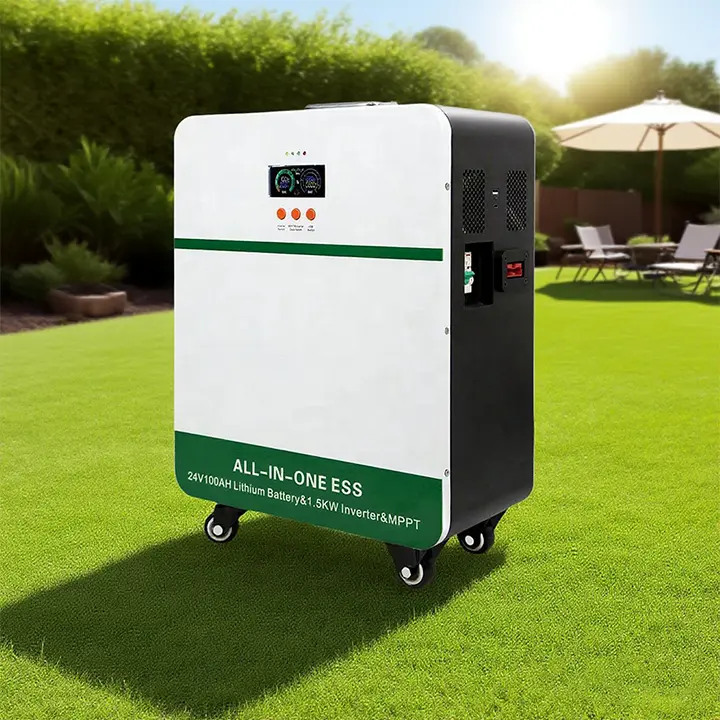
Battery bank: For a 12V system powering a 12V to 220V square wave inverter, batteries connect in parallel. Options include:
-
Flooded lead-acid: least expensive, lasts 300–500 cycles at 50% discharge depth
-
Sealed lead-acid (AGM/gel): maintenance-free, 400–600 cycles, costs 30–50% more
-
Lithium LiFePO₄: 2,000–5,000 cycles, can discharge to 90%, costs 3–5 times more
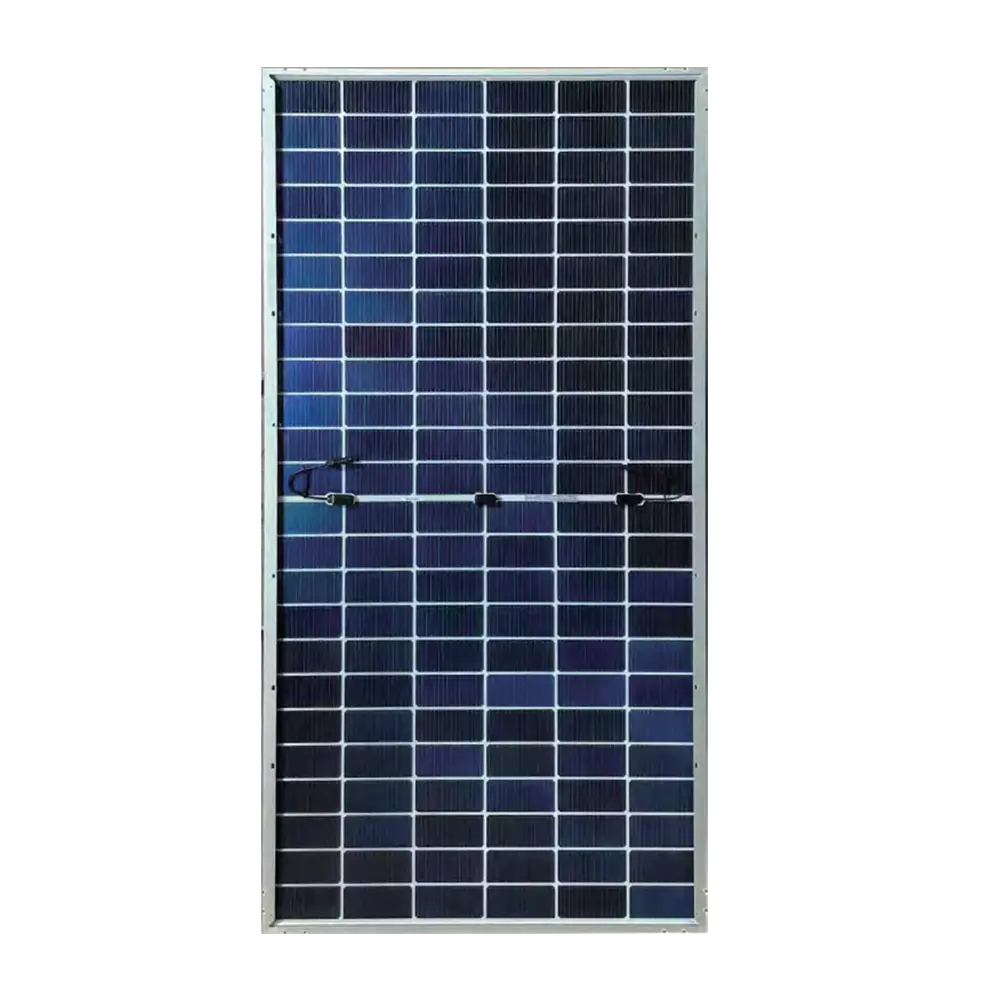
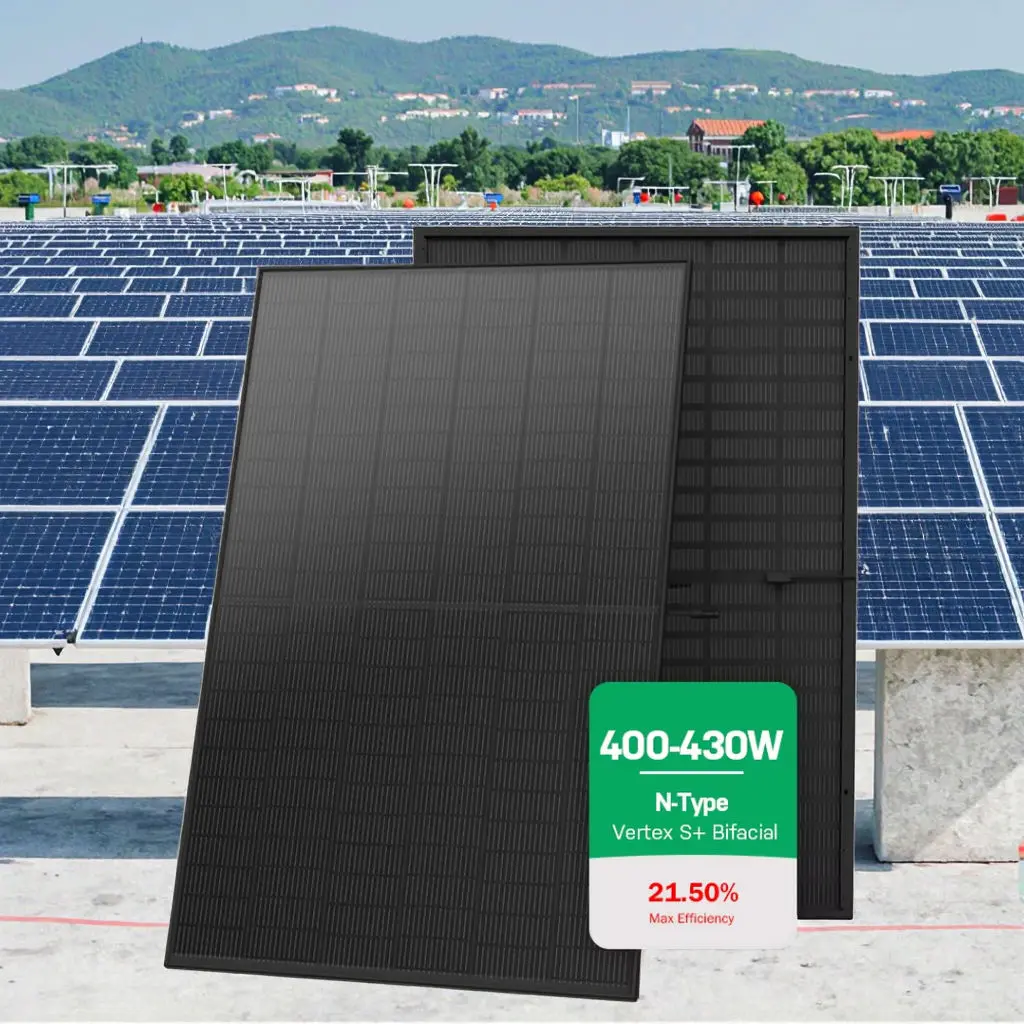
Solar array sizing: Daily energy consumption = Load Watts × Hours of Use. For 200W running 4 hours: 800 watt-hours. With 5 peak sun hours, the required array = 800 ÷ 5 = 160W. A 200W panel provides a comfortable margin for your 12V to 220V square wave inverter.
Cabling: DC cables between the battery and the inverter must be short and thick. For a 300W 12V to 220V square wave inverter drawing 25A, use 10mm² (8 AWG) cable up to 2 metres. Longer runs require thicker cable or higher system voltage.
Fuse: Install a fuse on the positive battery cable within 20cm of the battery terminal. Rating = 125% of max current. For a 300W 12V to 220V square wave inverter (25A), use a 30A or 35A fuse.
Installation and Safety Guide
Proper installation of a 12V to 220V square wave inverter prevents fires, equipment damage, and injury.
Location: Mount the 12V to 220V square wave inverter in a dry, well-ventilated area. Maintain 10cm clearance on all sides. Do not install inside a sealed box or directly above batteries—hydrogen gas from lead-acid batteries is explosive, and inverter relays produce sparks.
Mounting: Mount vertically if possible, with ventilation slots oriented for natural convection. Use screws through mounting flanges.
DC connections: Connect the battery to the 12V to 220V square wave inverter using the correct cable size. Strip insulation cleanly, crimp or solder lugs, tighten firmly. Connect positive first, then negative. Double-check polarity before final connection—reverse polarity can destroy input protection diodes.
AC output: For portable use, plug directly into the inverter outlet. For permanent installation, feed a small distribution board with circuit breakers. Use standard wiring: live (brown/red), neutral (blue/black), earth (green/yellow).
Parallel battery connections: Use bus bars, not daisy-chaining. Connect all positive terminals to a common positive bus bar with equal-length cables. Connect all negatives to a common negative bus bar. Then connect the 12V to 220V square wave inverter to the bus bars.
Safety checklist before first use:
-
All DC connections tight and corrosion-free
-
Fuse installed near the battery
-
No flammable materials near the inverter or battery
-
Ventilation unobstructed
-
Battery voltage between 11.5V and 12.8V at inverter terminals
-
Inverter switch off before connecting the battery
Testing: Turn the 12V to 220V square wave inverter on with no loads. Verify power LED. Measure AC output voltage (200–240V). Plug in a small test load like a 40W bulb. Listen for unusual buzzing—a slight hum is normal; loud buzzing or clicking indicates a problem.
Maintenance: For flooded batteries, check electrolyte monthly and top up with distilled water. Clean terminals annually. Check inverter ventilation slots every six months. Verify cable tightness on your 12V to 220V square wave inverter.
Off-Grid Solar Applications in Africa
In sub-Saharan Africa, where grid electricity reaches only 48 percent of rural populations, the 12V to 220V square wave inverter is transforming daily life.
Rural household lighting: A 150W 12V to 220V square wave inverter, 100Ah battery, and 150W solar panel power four LED bulbs, phone charging, and a small radio or TV. Upfront cost: USD 250–350. Kerosene alone costs USD 10–20 per month. Payback period: less than two years.
Phone charging micro-businesses: A 200W 12V to 220V square wave inverter powers eight to twelve charging ports. The shop owner charges USD 0.10–0.30 per phone, serving 40–60 phones daily. Earnings: USD 4–15 per day. System cost: USD 300–400. Payback: one to two months.
Small shops and barbershops: A barbershop runs electric clippers, a fan, and lights. A food stall runs a small refrigerator for drinks and a rice cooker. A 300W 12V to 220V square wave inverter handles these loads. Extended evening hours increase daily revenue by 20–40 percent.
Community water pumping: A 500W 12V to 220V square wave inverter with sufficient surge capacity runs a 200W AC pump during daylight hours, filling a storage tank for village use.
Schools and rural clinics: Basic systems power lights, phone charging, and fans for evening classes. For clinics, note: vaccine refrigerators have sensitive electronic controllers and require pure sine wave inverters. However, the same clinic can use a 12V to 220V square wave inverter for non-critical loads.
Market outlook: Africa‘s solar inverter market is expected to add 23 GW by 2028. Square wave inverters will continue to dominate the entry-level segment because price remains the primary barrier. A USD 40 12V to 220V square wave inverter brings electricity within reach; a USD 200 pure sine wave unit does not.
Cautionary note: A clinic in Malawi attempted to run a laboratory centrifuge from a 12V to 220V square wave inverter. The centrifuge operated erratically, producing unusable results. The clinic replaced it with a pure sine wave inverter for the centrifuge while keeping the square wave unit for lighting. Use the correct tool for each job.
When to Upgrade Your Power Inverter
A 12V to 220V square wave inverter serves well as a first system, but most users eventually benefit from upgrading.
Signs it is time to upgrade:
-
The humming from fans or refrigerators becomes annoying.
-
Appliances behave strangely (the desktop computer won‘t start, the digital clock runs fast).
-
The system cannot start a new appliance (refrigerator, pump, microwave).
-
Battery life is shorter than expected due to the 20 percent extra current draw from your 12V to 220V square wave inverter.
-
Income depends on the system—higher efficiency pays for itself.
Upgrade paths:
-
Keep the 12V to 220V square wave inverter as a dedicated unit for workshop or garage power.
-
Sell or donate it. Used 200W units sell for USD 20–30.
-
Repurpose it as an emergency backup connected to a separate small battery.
What to buy when upgrading: Purchase a pure sine wave inverter with at least the same continuous power rating. Because pure sine wave handles motor starting surges more efficiently, a 300W pure sine wave unit may start loads that a 500W square wave unit struggles with.
Cost-benefit: A pure sine wave inverter costs 3–5 times more than a 12V to 220V square wave inverter. However, it delivers lower operating costs, longer battery life (reduced depth of discharge), silent appliance operation, and compatibility with every device. For a daily-dependent household, the upgrade pays for itself over three to five years through reduced battery replacement costs alone. For a business running refrigerators or computers, payback is even shorter.
Final recommendation: Start with a 12V to 220V square wave inverter if budget is tight and loads are simple. Use it for one to three years while saving for an upgrade. Then purchase a pure sine wave inverter for the main system and keep the square wave unit as backup. This two-stage approach provides immediate access to electricity at the lowest possible entry cost while building toward a higher-quality long-term solution.
Ready to Start Your Off-Grid Journey?
Whether you need a 100W unit for basic lighting and phone charging or a 300W model for a small shop with a fan and television, Juta Power offers reliable 12V to 220V square wave inverters designed specifically for off-grid solar systems in Africa and beyond.
Explore the S Series today — available in 100W, 150W, 200W, and 300W configurations. Each 12V to 220V square wave inverter delivers a stable square wave output at 220V and 50Hz, with overload protection, low-voltage shutdown, and durable construction for demanding environments.
Contact Juta Power to discuss your specific power requirements. Let us help you select the correct size, recommend compatible batteries and solar panels, and provide installation guidance. Energy independence starts here.