
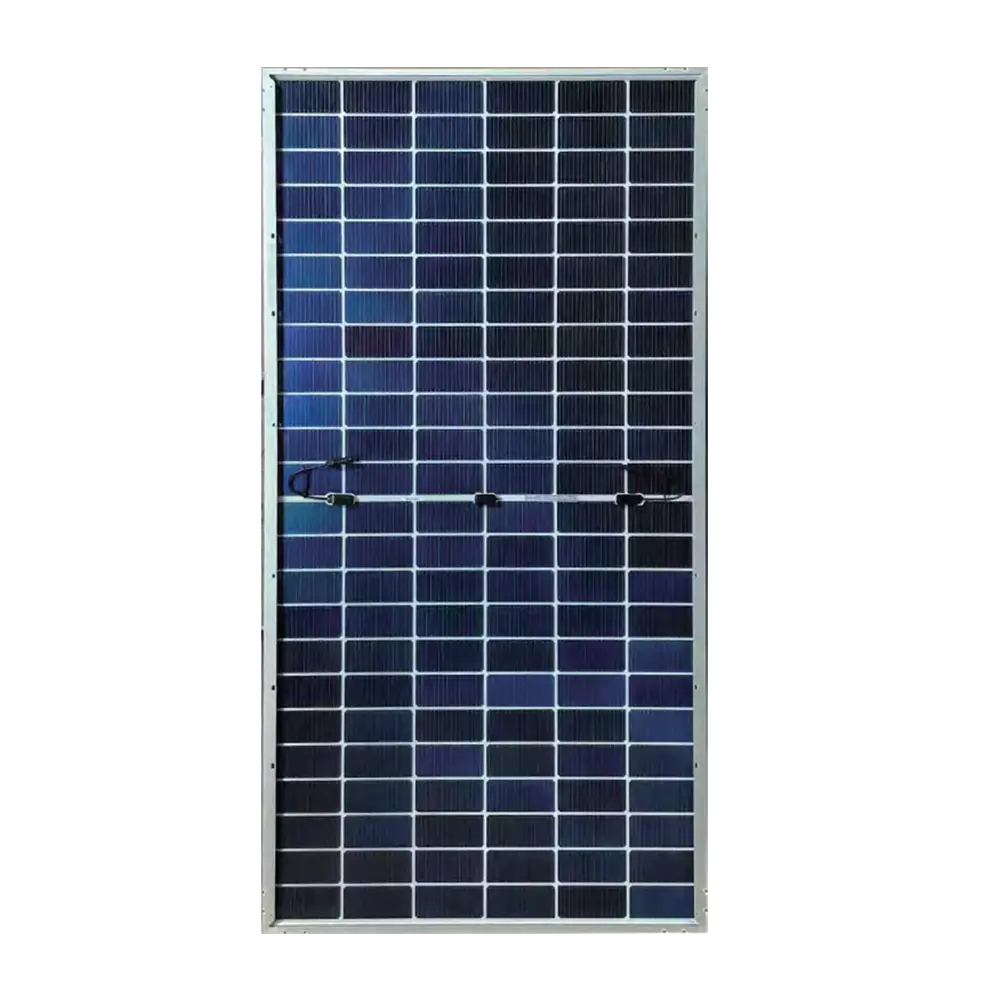
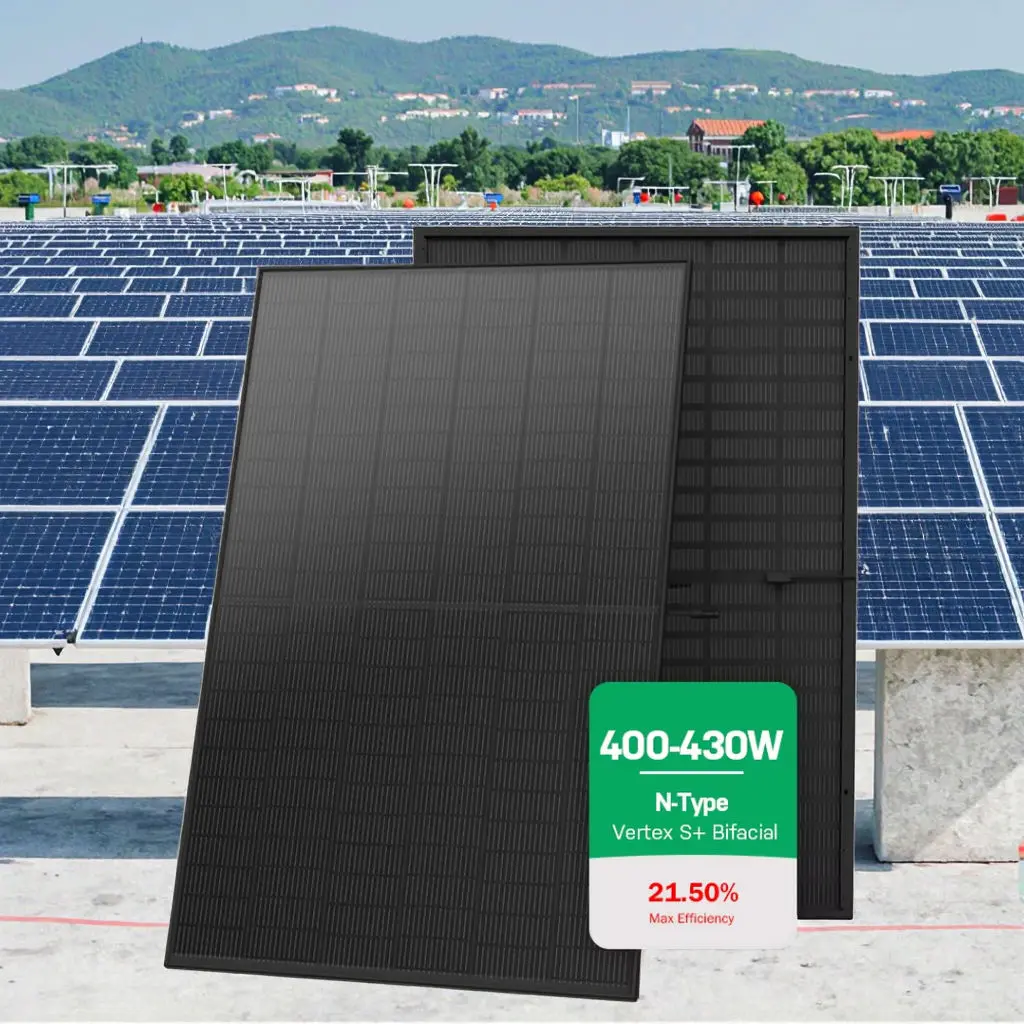
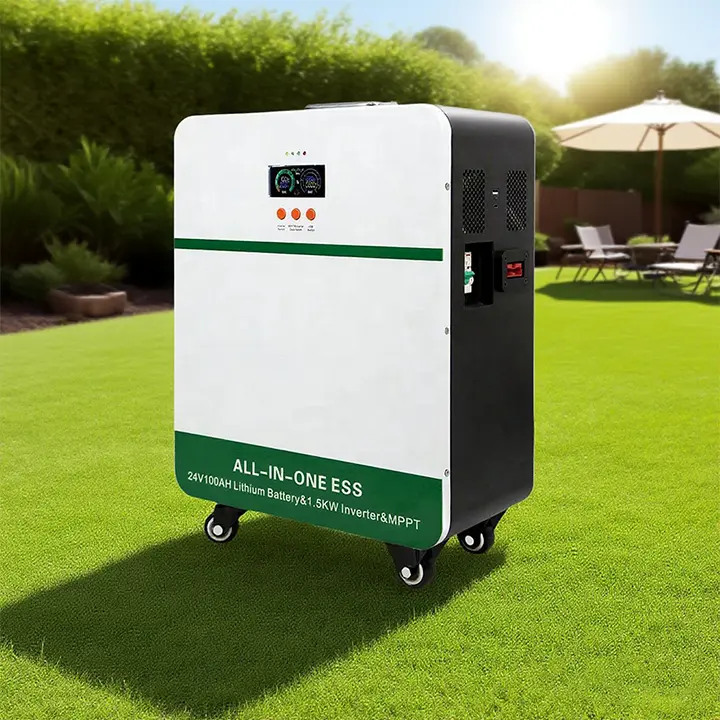
A мини солнечная панель это компактное фотоэлектрическое устройство, предназначенное для преобразования солнечного света в электрическую энергию для маломощных приложений. В отличие от полноразмерных солнечных панелей, используемых на крышах жилых домов или крупных солнечных ферм, мини солнечные панели значительно меньше по размеру и мощности, что делает их идеальными для портативных устройств, небольшой электроники, датчиков и автономных систем, где пространство и потребность в энергии ограничены.
Мини солнечные панели играют важную роль в современных энергетических решениях, обеспечивая возобновляемую, децентрализованную энергию в небольших масштабах. Их легкая конструкция, гибкость в установке и совместимость с низковольтными системами привели к широкому использованию в бытовой электронике, оборудовании для активного отдыха, образовательных инструментах и развивающихся интеллектуальных технологиях.
Поскольку интерес к возобновляемым источникам энергии продолжает расти, мини солнечные панели все чаще признаются не только как аксессуары, но и как важнейшие компоненты компактных и устойчивых энергосистем.
Понимание основ преобразования солнечной энергии
Как солнечная энергия преобразуется в электричество
Солнечные панели работают за счет преобразования солнечного света в электричество благодаря фотоэлектрическому эффекту. Когда солнечный свет попадает на поверхность солнечной батареи, фотоны передают энергию электронам в полупроводниковом материале. Эта энергия возбуждает электроны, заставляя их двигаться и генерировать электрический ток.
В миниатюрных солнечных батареях этот процесс идентичен тому, что происходит в больших панелях. Разница заключается в масштабе, а не в функции. Меньшее количество солнечных элементов и меньшая площадь поверхности приводят к снижению общей выработки энергии, но технология, лежащая в основе, остается неизменной.
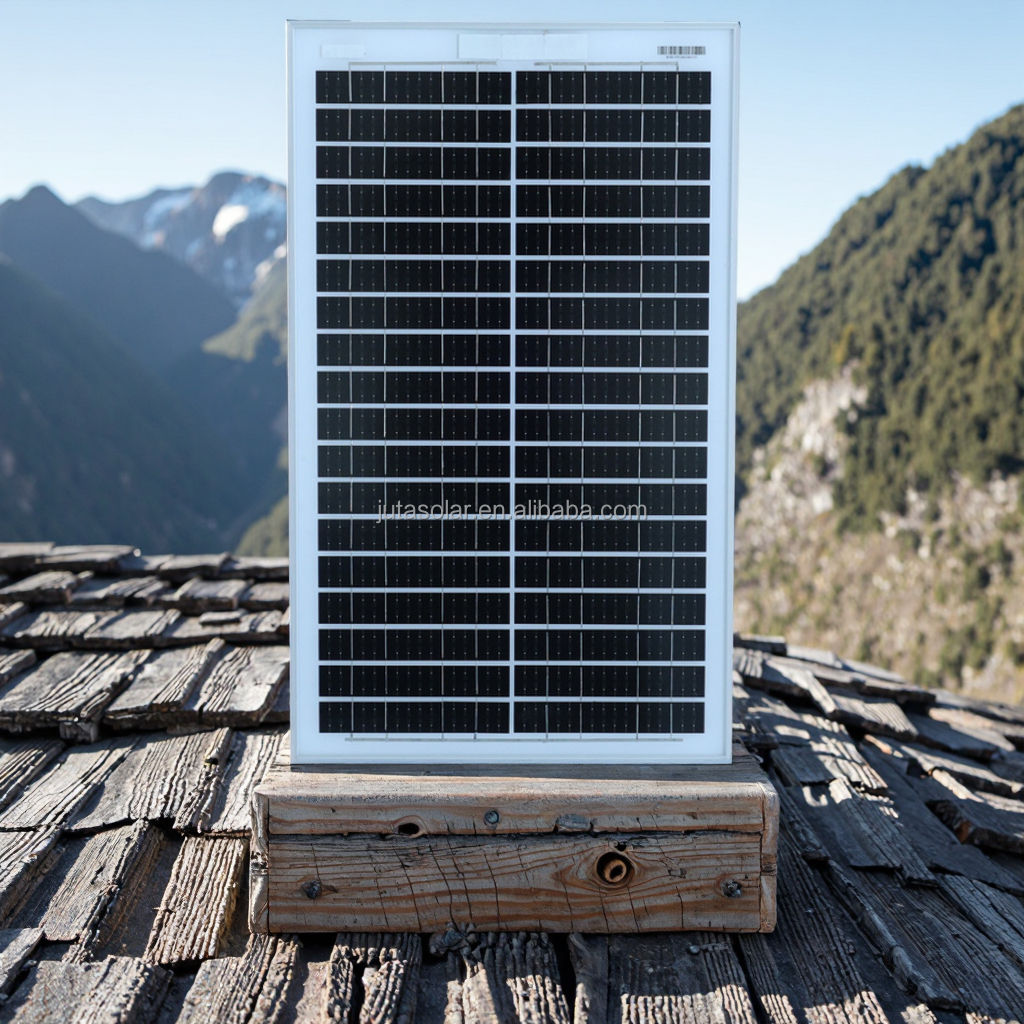
Выход постоянного тока в мини солнечных панелях
Мини солнечные панели обычно вырабатывают постоянный ток (DC). Этот тип тока подходит для зарядки батарей, питания датчиков и работы небольших электронных устройств.
Поскольку многие современные электронные устройства работают на постоянном токе, мини солнечные панели часто могут быть интегрированы непосредственно в маломощные системы без сложного преобразовательного оборудования.
Определение характеристик мини солнечных панелей
Компактный размер и портативность
Одной из определяющих характеристик мини солнечных панелей является их компактный размер. Эти панели предназначены для установки в небольших помещениях, где невозможно установить традиционные солнечные панели.
Благодаря небольшому весу их легко транспортировать, и они идеально подходят для портативного применения, например, в походном снаряжении, мобильных устройствах и временных установках.
Диапазон выходной мощности
Мини солнечные панели предназначены для использования в маломощных приложениях. Их мощность обычно измеряется в милливаттах или нескольких ваттах, в зависимости от размера и эффективности.
Такая ограниченная мощность делает их непригодными для питания крупной бытовой техники, но очень эффективными для обслуживания батарей, питания датчиков или дополнения существующих источников питания.
Модульная и масштабируемая конструкция
Мини солнечные панели часто используются в модульных системах. При необходимости несколько панелей можно соединить вместе, чтобы увеличить общую мощность.
Такая масштабируемость позволяет разработчикам и пользователям создавать индивидуальные решения по электропитанию, отвечающие конкретным требованиям.
Типы мини солнечных панелей
Монокристаллические мини солнечные панели
Монокристаллические мини солнечные панели изготавливаются из монокристаллического кремния. Они известны своей высокой эффективностью и стабильной работой даже в ограниченном пространстве.
Эти панели обычно используются в тех случаях, когда необходимо добиться максимальной производительности при небольшой занимаемой площади.
Поликристаллические мини солнечные панели
Поликристаллические мини солнечные панели производятся с использованием нескольких кристаллов кремния. Хотя их эффективность несколько ниже, чем у монокристаллических вариантов, они обеспечивают надежную работу по более низкой цене.
Они подходят для применения в тех случаях, когда пространство не так ограничено, а экономичность является приоритетом.
Аморфные и тонкопленочные мини солнечные панели
Тонкопленочные мини-солнечные панели изготавливаются по другой технологии, которая позволяет создавать гибкие и легкие конструкции. Такие панели могут сгибаться или прилегать к изогнутым поверхностям.
Хотя их эффективность ниже, гибкость делает их идеальными для носимых устройств, рюкзаков и нетрадиционных установок.
Общие области применения мини солнечных панелей
Бытовая электроника
Мини солнечные панели широко используются в небольших электронных устройствах, таких как калькуляторы, часы, пауэрбанки и беспроводные аксессуары. Эти устройства выигрывают от непрерывной или дополнительной генерации энергии.
Способность собирать солнечный свет снижает зависимость от одноразовых батарей и повышает энергоэффективность.
Наружное и переносное оборудование
На природе мини солнечные панели используются для питания кемпинговых фонарей, GPS-трекеров, погодных датчиков и аварийных устройств. Их независимость от электросети делает их ценными в удаленных или автономных условиях.
Они особенно полезны при длительном развертывании, когда замена батарей нецелесообразна.
Интернет вещей и умные устройства
Миниатюрные солнечные панели играют важную роль в питании устройств Интернета вещей с низким энергопотреблением. Датчики, используемые для мониторинга окружающей среды, сельского хозяйства и управления инфраструктурой, часто полагаются на небольшие солнечные панели для автономной работы.
Благодаря сочетанию миниатюрных солнечных панелей с накопителями энергии эти системы могут работать непрерывно при минимальном обслуживании.
Образовательные проекты и проекты "сделай сам
Мини солнечные панели - популярный инструмент в образовании и DIY-проектах. Они используются для обучения основным принципам возобновляемой энергии, электроники и устойчивого развития.
Их простота и безопасность делают их доступными для студентов, любителей и новаторов.
Преимущества использования мини солнечных панелей
Возобновляемые и устойчивые источники энергии
Мини солнечные панели вырабатывают электричество из солнечного света - возобновляемого и богатого источника энергии. Это снижает зависимость от ископаемого топлива и одноразовых источников питания.
Их использование способствует более рациональному использованию энергии, даже в небольших масштабах.
Низкие требования к обслуживанию
После установки мини солнечные панели требуют минимального обслуживания. Благодаря отсутствию движущихся частей они практически не подвергаются механическому износу.
Для поддержания работоспособности обычно достаточно периодической чистки и правильного размещения.
Энергетическая независимость и надежность
Мини солнечные панели позволяют устройствам работать независимо от электрической сети. Такая независимость повышает надежность в удаленных или нестабильных условиях электроснабжения.
Для критически важных систем мониторинга такая самодостаточность является значительным преимуществом.
Универсальность в различных отраслях промышленности
Миниатюрные солнечные панели используются в самых разных отраслях - от потребительских товаров до промышленного мониторинга. Благодаря своей адаптивности они могут использоваться в различных приложениях без обширной настройки.
Ограничения мини солнечных панелей
Ограниченные мощности по выработке электроэнергии
Наиболее существенным ограничением мини солнечных панелей является их ограниченная мощность. Они не предназначены для замены полномасштабных энергосистем.
Понимание требований к мощности необходимо для обеспечения реалистичных ожиданий и эффективного проектирования системы.
Зависимость от условий окружающей среды
Мини солнечные панели зависят от солнечного света, а значит, их производительность может меняться в зависимости от погоды, затенения и угла установки.
Для обеспечения непрерывной работы в условиях недостаточной освещенности часто используются накопители энергии.
Ограничения эффективности
Хотя солнечные технологии продолжают совершенствоваться, миниатюрные солнечные панели ограничены своими размерами. Повышение эффективности может помочь, но производительность по-прежнему ограничена площадью поверхности.
Это делает необходимым тщательное планирование системы.
Ключевые компоненты в мини системах солнечных батарей
Солнечные элементы и защитные слои
Мини солнечные панели состоят из фотоэлектрических элементов, защищенных прозрачными слоями, которые пропускают солнечный свет и защищают элементы от повреждений.
Эти слои помогают продлить срок службы панели в условиях наружной среды.
Проводка и разъемы
Правильная проводка обеспечивает эффективную передачу выработанной электроэнергии в нагрузку или систему хранения. Мини солнечные панели часто используют стандартные разъемы для упрощения интеграции.
Надежные соединения снижают потери энергии и повышают надежность.
Варианты хранения энергии
Многие мини-системы солнечных батарей включают в себя аккумуляторы или конденсаторы для накопления энергии для последующего использования. Накопление обеспечивает постоянную доступность энергии при недостатке солнечного света.
Выбор подходящего объема памяти имеет решающее значение для стабильности системы.
Факторы, которые следует учитывать при выборе мини-панели солнечных батарей
Требования к напряжению и току
Понимание потребностей устройства или системы в напряжении и токе очень важно. Несоответствие спецификаций может привести к неэффективной работе или повреждению.
Мини солнечные панели выбираются с учетом электрической мощности и совместимости с подключенными компонентами.
Физические размеры и монтажное пространство
Доступное пространство определяет максимальный размер панели, которую можно использовать. Мини солнечные панели выбираются таким образом, чтобы сбалансировать ограничения по размеру и требуемую мощность.
Правильный монтаж улучшает воздействие солнечного света и повышает общую производительность.
Предполагаемая среда
Для применения на открытом воздухе может потребоваться устойчивая к атмосферным воздействиям конструкция, в то время как для использования внутри помещений или в учебных заведениях приоритетом может быть простота в обращении.
Учет условий окружающей среды помогает обеспечить долговременную надежность.
Интеграция с батареями и контроллерами
Зарядка и регулирование
Мини солнечные панели часто требуют контроллеров заряда для регулирования напряжения и предотвращения перезарядки батарей.
Правильное регулирование повышает безопасность системы и продлевает срок службы батареи.
Оптимизация эффективности системы
Соответствие мощности панели требованиям к хранению и нагрузке помогает оптимизировать эффективность. Переразмеренные или недоразмеренные компоненты могут снизить производительность.
Проектирование на уровне системы так же важно, как и выбор панели.
Мини-панели солнечных батарей в решениях для автономного энергоснабжения
Мини солнечные панели являются важнейшими компонентами небольших автономных систем. Они обеспечивают питание для освещения, связи и мониторинга в местах, где нет доступа к электросети.
Эти системы обычно используются в сельской местности, временных установках и мобильных приложениях.
Роль мини солнечных панелей в экологичном дизайне
Поддержка устойчивости при низком энергопотреблении
Несмотря на небольшую мощность, мини-солнечные панели способствуют устойчивому развитию, питая устройства, которые в противном случае использовали бы одноразовые батареи.
Со временем это сокращает количество отходов и энергопотребление.
Создание распределенных энергетических систем
Мини солнечные панели поддерживают концепцию распределенной энергетики, когда энергия вырабатывается в непосредственной близости от места использования.
Это снижает потери при передаче и повышает эффективность.
Оптимизация производительности и лучшие практики
Размещение и ориентация
Правильное размещение имеет решающее значение для максимальной выработки энергии. Панели должны быть расположены так, чтобы на них попадало максимум солнечного света в течение дня.
Даже небольшие корректировки могут существенно повлиять на производительность.
Обслуживание и очистка
Чистота поверхности панели улучшает поглощение света. Пыль, грязь и мусор могут снизить эффективность.
Регулярный осмотр помогает поддерживать работоспособность в течение долгого времени.
Сравнение мини солнечных панелей со стандартными солнечными панелями
Различия в масштабе и применении
Стандартные солнечные панели предназначены для крупномасштабного производства энергии, в то время как мини солнечные панели ориентированы на портативность и маломощные приложения.
Каждый из них выполняет свою задачу в сфере возобновляемой энергетики.
Стоимость и доступность
Мини солнечные панели, как правило, более доступны по цене и подходят для небольших проектов. Они позволяют пользователям экспериментировать с солнечной энергией без значительных инвестиций.
Такая доступность способствует более широкому внедрению возобновляемых технологий.
Будущие тенденции в технологии мини солнечных панелей
По мере развития технологий мини солнечные панели будут становиться все более эффективными и универсальными. Усовершенствование материалов и производства может привести к повышению производительности при той же площади.
Интеграция с интеллектуальными устройствами и системами управления энергопотреблением еще больше повысит их роль в современных приложениях.
Заключение
Мини солнечная панель - это компактное фотоэлектрическое устройство, предназначенное для выработки электроэнергии в маломощных приложениях. Преобразуя солнечный свет в полезную энергию, она обеспечивает возобновляемый, надежный и универсальный источник питания для электроники, наружного оборудования, датчиков и образовательных проектов.
Несмотря на ограниченную мощность по сравнению со стандартными солнечными панелями, мини-солнечные панели отличаются портативностью, гибкостью и устойчивостью. Их растущее применение в потребительской, промышленной и технологической сферах подчеркивает их важность для перехода к децентрализованным и возобновляемым источникам энергии.