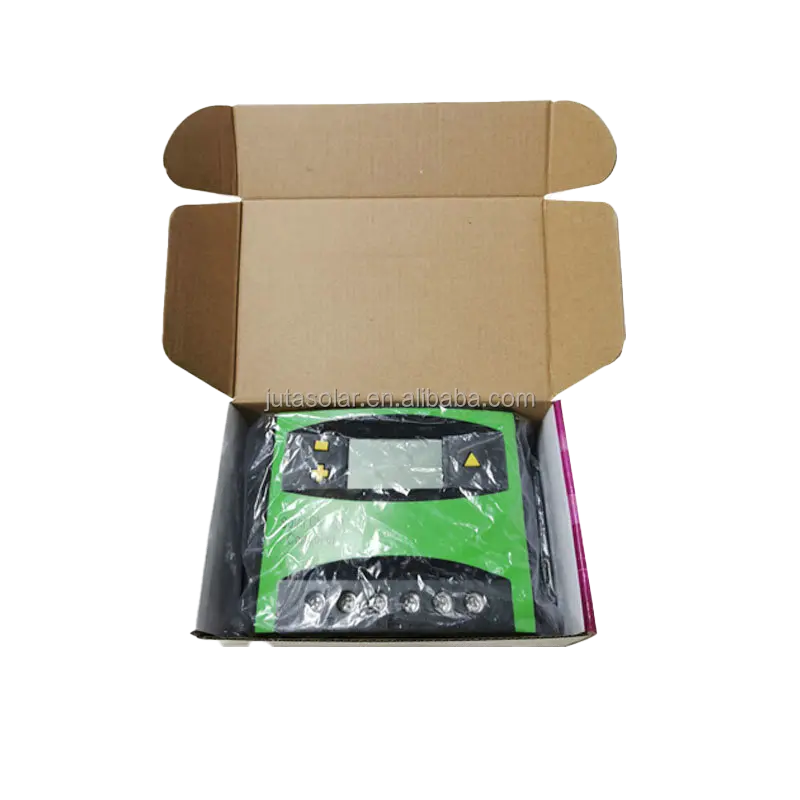
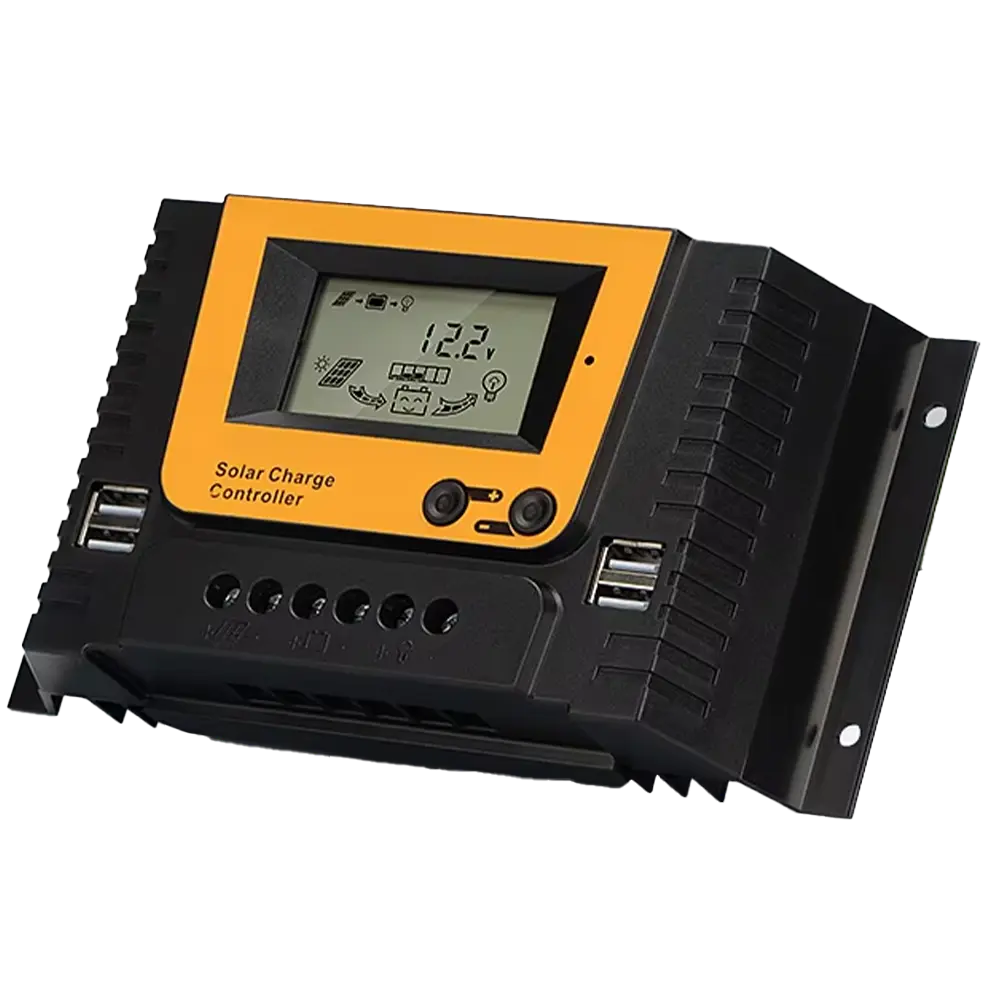
Main Application Areas of Solar Controllers
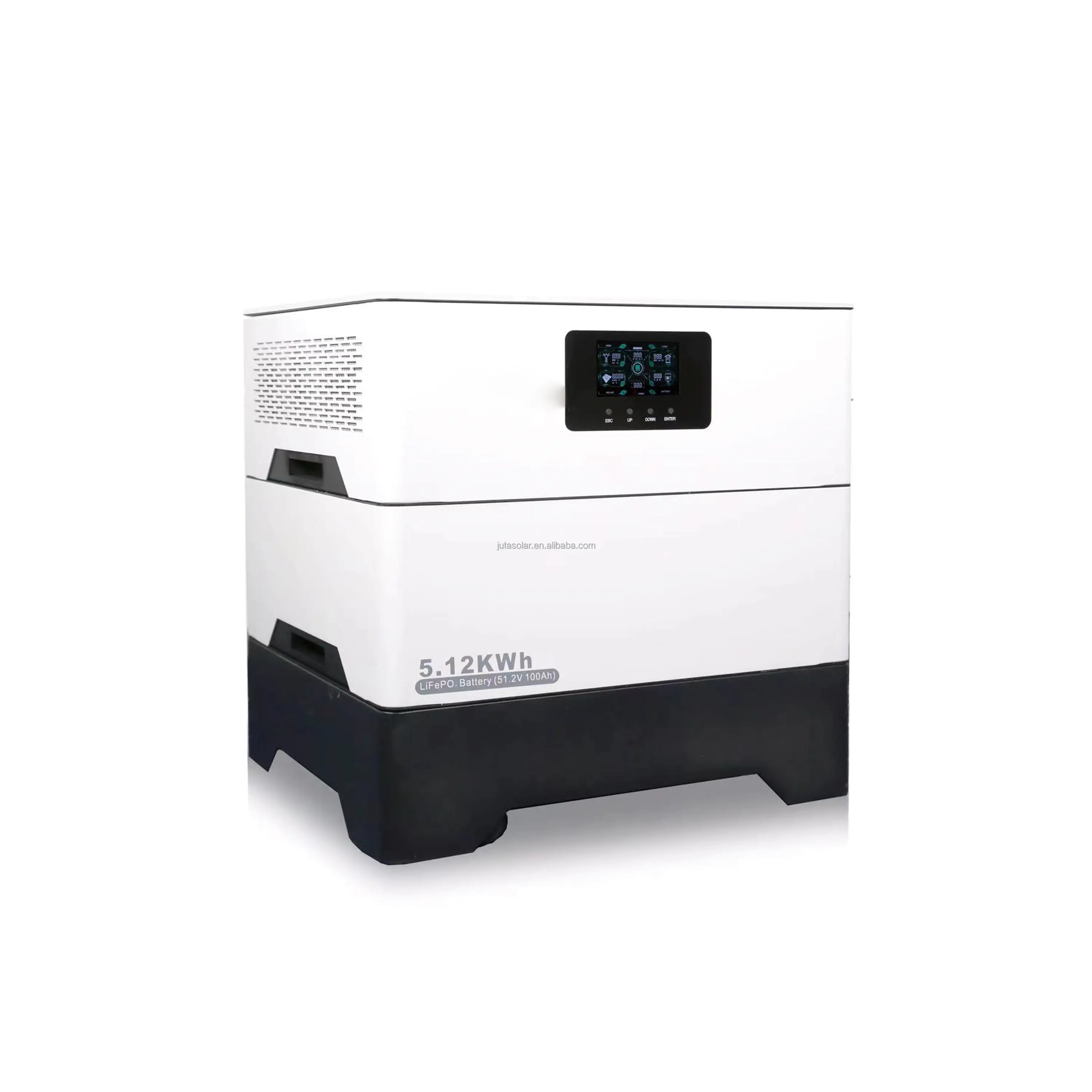
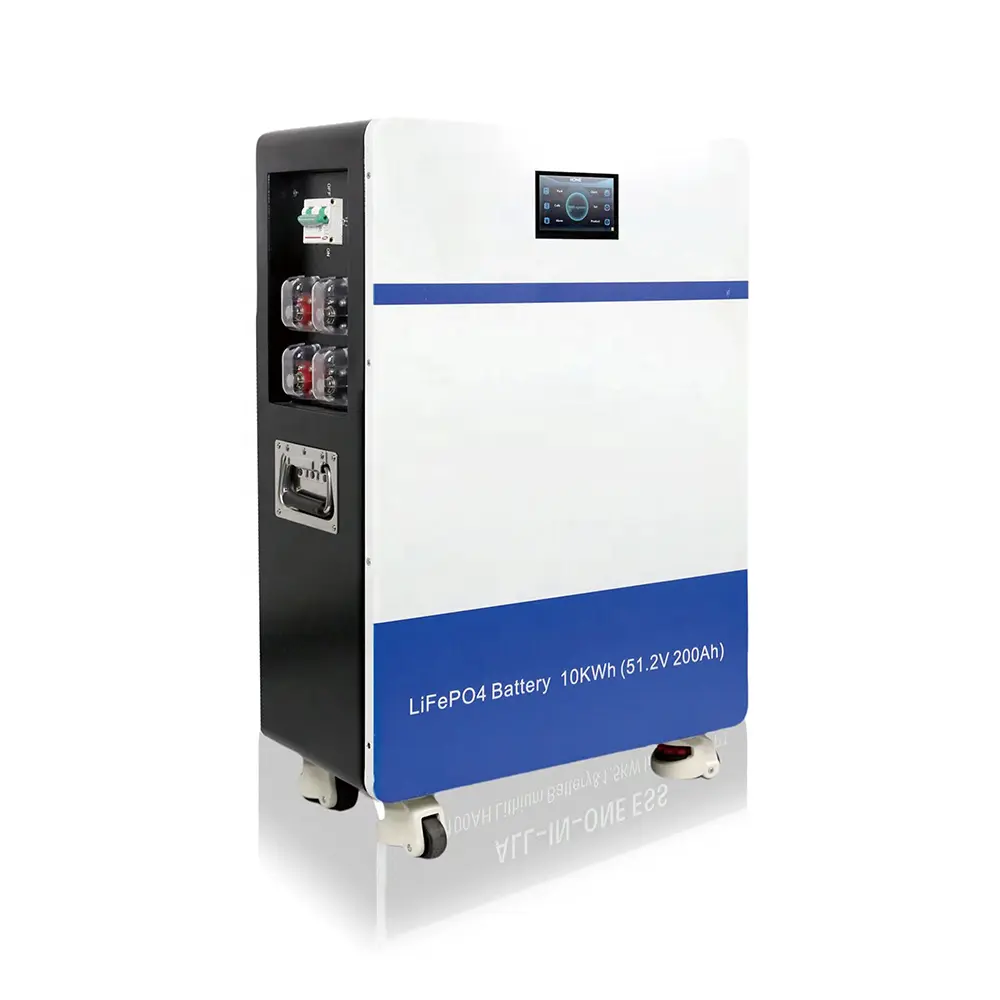
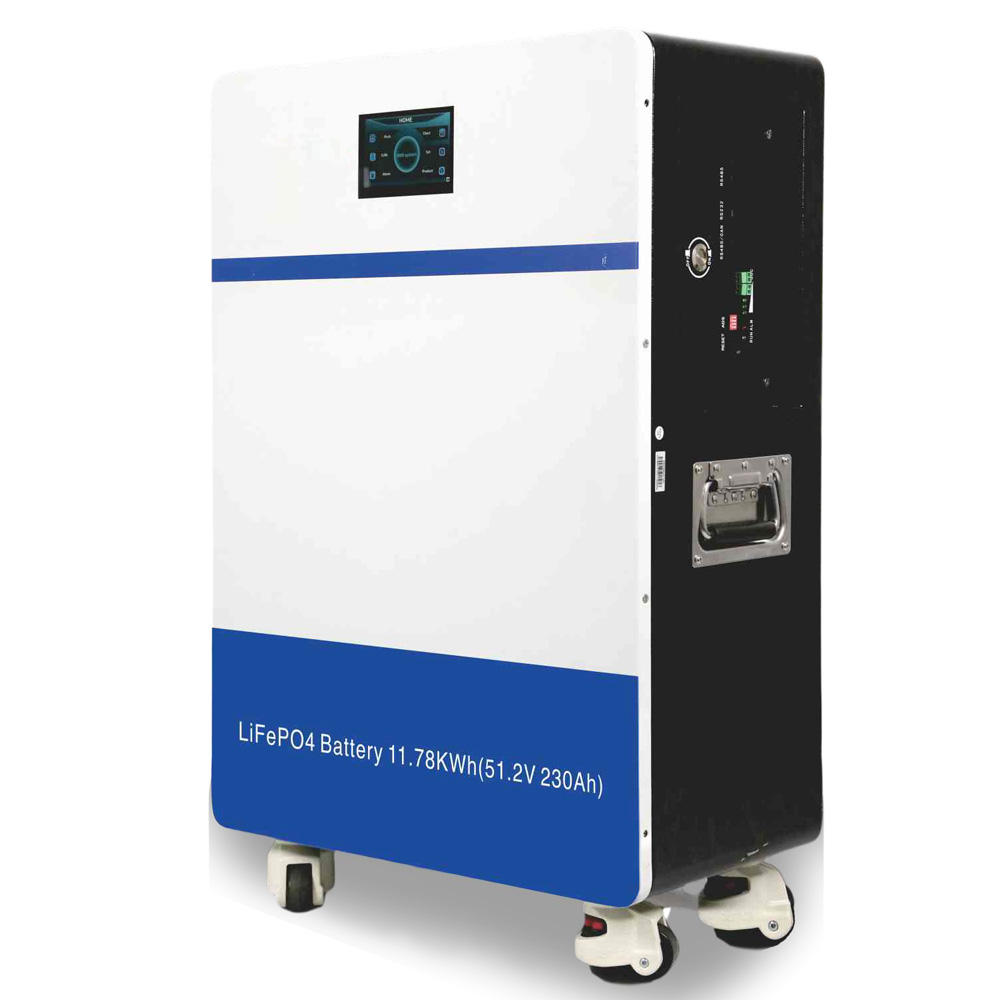
- Solar-powered energy storage systems
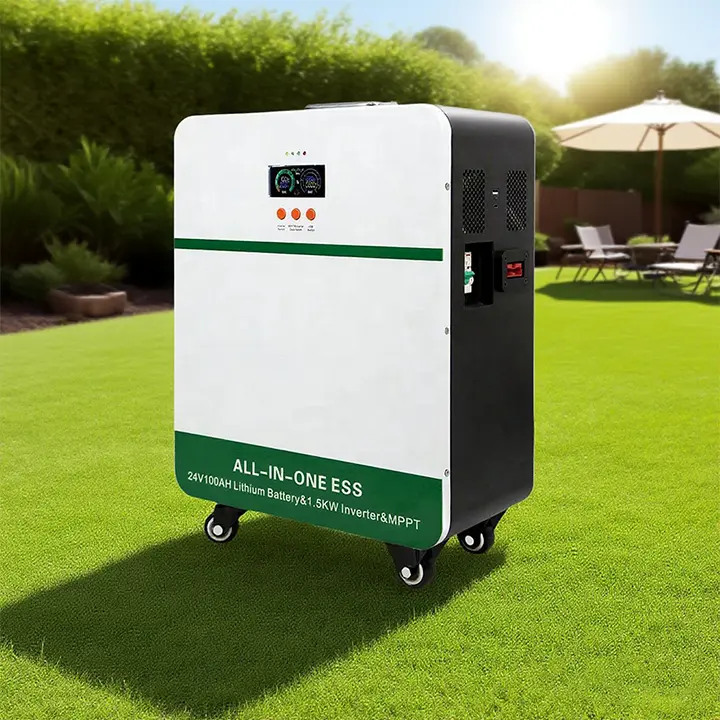
Solar controllers are commonly employed in solar-powered battery systems to regulate the charging process and preserve the energy of storage units.
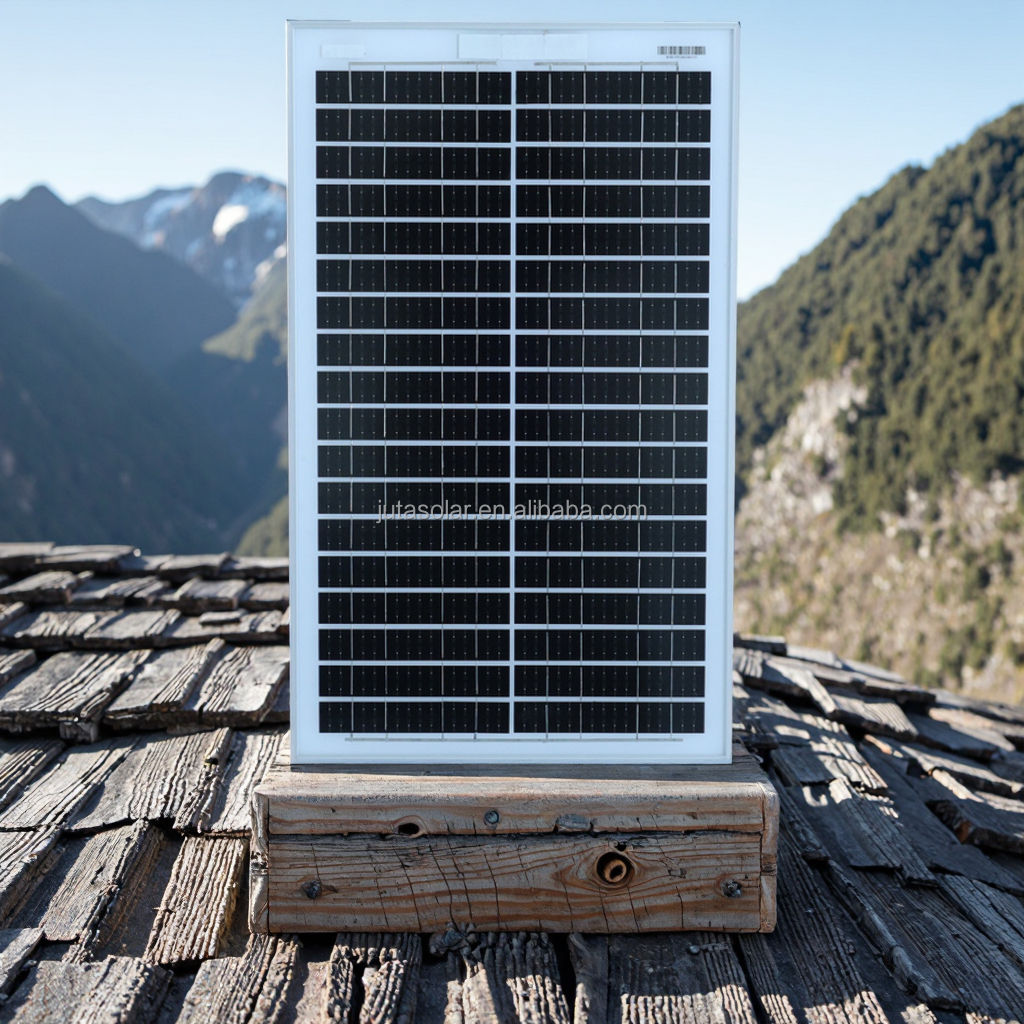
- Systems of alternative energy, such as solar, are becoming more popular
They have a significant impact on installations that aren’t dependent on electricity, such as remote homes, cabins, and rural electrification.
- Solar-powered solutions for residential use
In-home solar systems, controllers dedicated to solar energy maximize the flow of energy and ensure the safety of the battery.
- Commercial and Industrial Solar Energy Systems
Businesses utilize solar controllers to regulate larger solar arrays and preserve the efficiency of the energy conversion.
- Solar-powered apps and devices for the outdoors
Solar controllers are employed in recreational vehicles, boats, streetlights, and portable power systems using solar energy.
Advantages of Solar Controllers
- Battery Protection
Solar controllers prevent overcharging and deep discharge, which extends the battery’s lifespan significantly.
- Increased Energy Efficiency
Advanced controllers enhance the efficiency of charging, reducing the loss of energy and maximizing the utilization of solar power.
- System stability and safety
In-built safeguards prevent short-circuits, overflows, and reversed polarity.
- Smart Monitoring and Control
Many solar controllers have real-time monitoring, data presentation, and remote control capabilities.
- compatibility with multiple battery types
Modern solar controllers are compatible with a variety of battery chemistries, including lead-acid and lithium.