
Abstract:
Het woord LiFePO4 wordt vaak geassocieerd met de industrie van lithiumbatterijen, maar de definitie en de effecten ervan worden vaak verkeerd begrepen door consumenten en andere belanghebbenden.
LiFePO4 is de naam voor lithiumijzerfosfaat, een specifiek type kathodechemie dat deel uitmaakt van de grotere lithiumbatterijfamilie. In tegenstelling tot traditionele lithiumkobaltoxide- of nikkelgebaseerde chemicaliën hebben LiFePO4-batterijen een langere levensduur, een verbeterde thermische stabiliteit en zijn ze intrinsiek veilig.
Dit artikel verduidelijkt wat LiFePO4 betekent op een lithiumbatterij, hoe het verschilt van andere lithiumbatterijchemie, de redenen voor zijn populariteit in de energieopslagindustrie, elektrische voertuigen en industriële toepassingen, en hoe de effectiviteit in verschillende scenario's kan worden beoordeeld.
Inleiding: Waarom “LiFePO4” belangrijk is in de markt voor lithiumbatterijen
De wereldwijde lithiumbatterij markt heeft de afgelopen decennia een dramatische groei doorgemaakt, die wordt toegeschreven aan de proliferatie van geëlektrificeerde voertuigen, opslag van hernieuwbare energie en draagbare elektronica. Naarmate de vraag naar batterijen is toegenomen, is de differentiatie van de batterijchemie belangrijker geworden. Labels zoals NMC, LCO, LFP en NCA verschijnen nu op productspecificaties, inkoopdocumenten en marketingmateriaal.
Hiervan is LiFePO4 een van de meest besproken en door iedereen omarmde verbindingen. Wanneer consumenten of industriële kopers LiFePO4 op een lithiumbatterij zien staan, betekent dit meer dan alleen een chemische samenstelling: het laat een duidelijke harmonie zien van veiligheid, lange levensduur, prestaties en kosten.
Om te begrijpen wat LiFePO4 betekent, moet je de basisprincipes van lithiumpolymerisatie, de wetenschap van kathodematerialen en de praktische toepassingen in de echte wereld begrijpen.
Wat is een lithiumbatterij?
Een lithiumbatterij is een elektrochemische batterij die is gebaseerd op de beweging van lithiumionen tussen de kathode en de anode tijdens het opladen en ontladen.
De integrale onderdelen van een lithiumbatterij zijn:
Kathode (positieve pool)
Anode (negatieve pool, meestal bestaande uit grafiet)
Elektrolyt (lithiumzout in organisch oplosmiddel)
Scheider
Verzamelaars van vandaag
Hoewel alle lithiumbatterijen dit basisontwerp hebben, heeft het materiaal dat bij de kathode wordt gebruikt een aanzienlijke invloed op het gedrag van de batterij, zoals spanning, energie per volume-eenheid, veiligheid, levensduur en kosten.
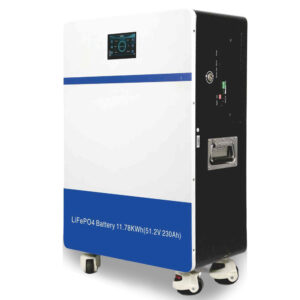
Waar staat LiFePO4 voor?
LiFePO4 is de chemische samenstelling van lithiumijzerfosfaat. Dit materiaal werd voor het eerst gedocumenteerd in de vroege jaren 2000 als een commerciële kathode voor lithiumbatterijen.
De formule vernietigen:
Li - lithium, de transportmolecule
Fe - ijzer, het metaal dat van de ene toestand naar de andere overgaat
PO4 - Fosfaatcluster, die de structurele stabiliteit bevordert
In industriejargon worden LiFePO4-batterijen vaak afgekort tot LFP-batterijen.
Wanneer LiFePO4 wordt vermeld op het label van een lithiumbatterij, wordt specifiek aangegeven dat de chemie van de kathode lithiumijzerfosfaat is, in plaats van lithiumkobaltoxide of nikkelgebaseerde materialen.
Waarom is de kathodechemie cruciaal in een lithiumbatterij?
Het materiaal van de kathode is verantwoordelijk voor:
Titelspanning
Energieconcentratie
Temperatuurstabiliteit
Levenscyclus
Veiligheidsattributen
Milieu- en ethische overwegingen
LiFePO4 is een andere benadering voor het bereiken van een hoge energiedichtheid die fundamenteel verschilt van de filosofie van de lithiumbatterij.
Belangrijkste kenmerken van LiFePO4 Lithium batterijen
- Uitzonderlijke thermische en chemische stabiliteit
Een unieke eigenschap van LiFePO4 lithiumbatterijen is hun thermische stabiliteit. De binding tussen fosfaat en zuurstof is aanzienlijk krachtiger dan de binding tussen kobalt of nikkel en zuurstof.
Dit produceert:
Lagere kans op een thermische runaway
Verhoogde capaciteit om overbelasting te weerstaan
Verhoogde veiligheid na mechanisch trauma
Voor situaties waarin veiligheid van het grootste belang is, biedt de LiFePO4-chemie een belangrijk voordeel.
- Verlengde levenscyclus
LiFePO4-batterijen staan bekend om hun lange levensduur, die doorgaans 2.000-6.000 cycli bedraagt onder de juiste omstandigheden.
Deze blijvende kracht komt voort uit:
Constante kristalsamenstelling
Lage spanning op het rooster tijdens de lithiumuitwisseling/toevoeging.
Verminderde anodeslijtage
Omgekeerd richten veel lithiumbatterijchemistries met een hoog energieniveau zich op de capaciteit op de lange termijn in plaats van op de levensduur.
- Lagere energiedichtheid dan andere batterijen met Li
Een vaak veronachtzaamd aspect van LiFePO4 lithiumbatterijen is hun lagere energiecapaciteit.
Typisch bereik:
LiFePO4: 140-160 Wh/kg
NCB/NCA: ~200-260 Wh/kg
Dit betekent dat LiFePO4-batterijen zwaarder en groter zijn voor dezelfde capaciteit. Voor langdurige opslag of industrieel gebruik is dit compromis echter vaak acceptabel.
- Constant spanningsprofiel
LiFePO4-lithiumaccu's hebben een relatief vlakke spanning van ongeveer 3,2-3,3 V per cel. Dit zorgt voor:
Voorspelbare resultaten
Constante voeding
Minder complex batterijbeheersysteem (BMS)
Deze spanningsstabiliteit is vooral gunstig voor elektrisch gereedschap, energieopslag en elektrisch vervoer.
Vergelijkingstabel: LiFePO4 vs. andere lithiumbatterijchemistries
| Eigendom | LiFePO4 (LFP) | NMC | LCO | NCA |
| Nominale spanning | ~3.2V | ~3.6V | ~3.7V | ~3.6V |
| Energiedichtheid | Medium | Hoog | Hoog | Zeer hoog |
| Cyclusleven | Zeer lang | Medium | Kort | Medium |
| Thermische stabiliteit | Uitstekend | Matig | Laag | Matig |
| Veiligheid | Zeer hoog | Medium | Laag | Medium |
| Stabiele kosten | Hoog | Medium | Laag | Medium |
| Kobaltgehalte | Geen | Gedeeltelijk | Hoog | Gedeeltelijk |
Waarom wordt LiFePO4 beschouwd als een veiligere lithiumbatterij?
De veiligheidsrisico's van lithiumbatterijen worden vaak veroorzaakt door het vrijkomen van zuurstof bij oververhitting. De fosforsamenstelling van LiFePO4 bindt zuurstof, waardoor exotherme reacties die leiden tot brand of explosies worden voorkomen.
Als zodanig:
De temperatuur die wegloopt van de warmtebron is hoger.
De kans op verbranding is sterk verminderd
Het vuur verspreidt zich langzamer
Daarom worden LiFePO4 lithiumbatterijen vaak gebruikt in toepassingen met strenge veiligheidseisen.
Milieu- en ethische voordelen
Lithiumbatterijen zijn de centrale component van wereldwijde elektrificatie geworden vanwege hun efficiëntie, veelzijdigheid en lage milieu-impact in vergelijking met andere technologieën voor energieopslag. Ondanks het ontbreken van een batterijsysteem dat volledig vrij is van impact, heeft de op lithium gebaseerde chemie verschillende milieu- en ethische voordelen die worden overwogen over de volledige levenscyclus van de chemische stof.
- Minder koolstofuitstoot tijdens de levenscyclus
Lithiumbatterijen zorgen voor een hoge capaciteit en efficiënte ontlading van energie; deze eigenschappen verminderen de hoeveelheid energie die verloren gaat aanzienlijk. In toepassingen zoals elektrische voertuigen, energieopslag die hernieuwbaar is en back-up energiesystemen die back-up zijn, zijn lithiumbatterijen verantwoordelijk voor het vervangen van fossiele brandstoffen, wat resulteert in minder uitstoot tijdens de levensduur van het apparaat.
- Langere levensduur en efficiënter gebruik van hulpbronnen
Moderne lithiumbatterijen kunnen duizenden cycli aan. Een langere operationele levensduur gaat gepaard met minder vervangers, een lager verbruik van materiële hulpbronnen en minder afvalproductie. Vergeleken met loodzuuraccu's hebben lithiumaccu's een kleinere hoeveelheid grondstoffen nodig per eenheid nuttige energie in de loop der tijd.
- Minder giftig dan oudere chemicaliën
In tegenstelling tot nikkel-cadmium- of lood-zuur-batterijen bestaan lithium-batterijen uit niet-giftige metalen zoals lithium. Dit vermindert het risico voor ecosystemen en de menselijke gezondheid tijdens de productie, het gebruik en de verwijdering.
- Ethische toeleveringsketenpraktijken bevorderen
De industrie voor lithiumbatterijen wordt nu vaker onderworpen aan toezicht op het gebied van milieu, maatschappij en regelgeving (ESG). Veel fabrikanten committeren zich aan:
Verantwoordelijk voor de inkoop van mineralen
Hogere arbeidsnormen
Controleerbare toeleveringsketens
Hergebruik en gesloten-lus materiaalterugwinning
Deze initiatieven proberen de ethische problemen in verband met mijnbouw aan te pakken en tegelijkertijd meer transparantie en verantwoordingsplicht in de hele waardeketen te bevorderen.
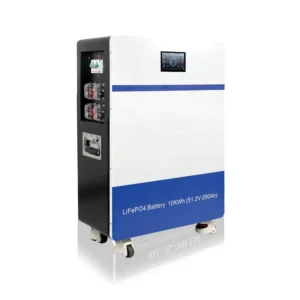
Algemene toepassingen van LiFePO4-lithiumbatterijen
- Energieopslag (ES)
De LiFePO4 lithiumbatterij heeft een meerderheid:
Particuliere opslag op zonne-energie
Commerciële energieopslag
Grootschalige batterijsystemen op het net.
Door hun lange levensduur en veiligheidsreputatie zijn ze ideaal voor langdurig fietsen.
- Elektrische voertuigen en mobiliteit bij lage snelheden
Hoewel LiFePO4-lithiumcellen meestal niet worden gebruikt in EV's uit het topsegment, worden ze meestal wel gebruikt:
Elektrische bussen
Voertuigen
Heftrucks
Golfkarretjes
E-bikes
De veiligheid en duurzaamheid van deze toepassingen overtreffen ruimschoots de compactheid van deze apparaten.
- Industrieel en aanvullend vermogen
Industrieën hebben LiFePO4-batterijen nodig voor hun activiteiten:
UPS-systemen
Basisstations voor telecommunicatie
Datacenter noodgevallen
Mariene energiebronnen
Hier is het belang van betrouwbaarheid en consistente degradatie van het grootste belang.
Hoe past LiFePO4 in het bredere landschap van lithiumbatterijen?
Binnen de familie van lithiumbatterijen onderscheidt LiFePO₄ (of LFP) zich door een duidelijk en toenemend belang; veiligheid, duurzaamheid en een lange levensduur worden allemaal beschouwd als van het grootste belang voor de maximale energiedichtheid.
- Een veiligere en constantere chemie
LiFePO₄ accu's staan bekend om hun extreme thermische en chemische stabiliteit. De inherente stabiliteit van de ijzerfosfaatkathode tegen thermische runaway maakt LFP-batterijen tot een van de veiligste lithiumchemies die er zijn. Deze veiligheid is van het grootste belang voor grootschalige energieopslag, residentiële systemen en industriële toepassingen.
- Minder afhankelijkheid van verheven of controversieel materiaal
In tegenstelling tot lithium-ion chemie die afhankelijk is van kobalt of nikkel, maakt LiFePO₄ gebruik van ijzer en fosfaat, die beide overvloedig aanwezig zijn en minder controversieel dan kobalt of nikkel. Dit verkleint de kans op blootstelling aan de volatiliteit van de toeleveringsketen en voorkomt zorgen over mensenrechten en milieuschadelijke mijnbouwmethoden.
- Uitzonderlijke levenscyclus en totale kosteneffectiviteit
LiFePO₄ batterijen hebben een typische capaciteit van 2 tot 3 keer die van lithium-ion batterijen. Ondanks hun lagere energiedichtheid leiden hun lange levensduur en consistente prestaties tot lagere totale eigendomskosten, met name bij stationaire energieopslag en commerciële toepassingen.
- Correspondentie met Duurzame Ontwikkelingsdoelen
Vanwege hun lange levensduur, veiligheid en samenstelling worden LiFePO₄-batterijen vaak gebruikt in..:
Alternatieve energieopslagmethoden
Elektrische bussen en andere voertuigen
Maritieme en recreatieve aandrijfsystemen
Industriële stroomoplossingen voor back-up
Deze apps richten zich op de waarde van betrouwbaarheid, veiligheid en duurzaamheid boven het compacte formaat. LiFePO₄ wordt beschouwd als de basis van de chemie in de overgang naar een milieuvriendelijkere infrastructuur.
Misvattingen over LiFePO4 Lithium batterijen
” LiFePO4 is geen legitieme lithiumbatterij.”
Fout. LiFePO4 wordt erkend als de chemie van een lithium-ion batterij.
“LiFePO4-batterijen zijn niet in staat om krachtig te reageren.”
Fout. LiFePO4 kan grote volumes ontladen als het goed ontworpen is.
” LiFePO4 is een verouderde technologie.”
Omgekeerd heeft de constante evolutie van materialen en fabricageprocessen tot gevolg dat het zeer concurrerend blijft.
Toekomstige trends van LiFePO4 in de lithiumbatterijindustrie
De trends in de markt wijzen erop:
Snelle groei in vaste opslag
Het aantal marktintroducties van goedkope EV's verhogen.
De vraag naar opkomende markten wordt als sterk beschouwd.
Fabrikanten hebben nog veel werk te doen:
Volumetrische energieconcentratie
Mogelijkheden voor lage temperaturen
De capaciteit om snel op te laden
FAQ: LiFePO4 en Lithium batterijen
V1: Waar staat LiFePO4 voor op een lithiumbatterij?
Dit betekent dat de batterij is samengesteld uit lithium-ijzerfosfaat als enige kathodecomponent.
V2: Is LiFePO4 veiliger dan andere lithiumcellen?
Ja. Het heeft een superieure thermische stabiliteit en veroorzaakt minder snel brand.
V3: Heeft LiFePO4 een langere levensduur dan andere lithiumcellen?
Meestal wel, vooral in toepassingen met een hoog vermogen.
V4: Wat is de reden dat sommige EV's LiFePO4 lithiumcellen gebruiken?
Voor de veiligheid van het systeem, de controlekosten en de lange levensduur van het systeem.
V5: Is LiFePO4 geschikt voor energieopslag in woningen?
Het is een van de meest gebruikte chemische oplosmiddelen voor de opslag van chemische stoffen in woningen.
Conclusie
Wat betekent LiFePO4 in een lithiumbatterij? Het geeft een specifieke vorm van lithiumbatterijchemie aan die bedoeld is om veilig, duurzaam en betrouwbaar te zijn, in plaats van de hoogste energiecapaciteit te hebben. Door lithiumijzerfosfaat als kathodemateriaal te gebruiken, hebben LiFePO4 lithiumaccu's een krachtige combinatie van prestaties en langdurige capaciteiten die aansluiten bij de moderne eisen van energieopslag, transport en industrialisatie.
Terwijl de industrie van lithium-polymeerbatterijen is gediversifieerd, blijft LiFePO4 een basis van chemie die niet wordt vertrouwd om de opofferingen die het maakt, maar in plaats daarvan om de consistente prestaties die het levert.