
With the increasing global demand for clean energy, monocrystalline silicon solar panels have become a leading technology in modern photovoltaic systems. Among all silicon-based technologies, high-efficiency monocrystalline silicon solar panels possess better power density, long-term reliability, and sustainability through different installation environments. However, selecting the best high-efficiency panel is not as simple as comparing efficiency percentages from a datasheet.
The high-efficiency monocrystalline silicon solar panels help deliver optimum energy output with sustainable returns. This guide walks through an understanding of efficiency fundamentals and cell technology, high-efficiency mono perc module performance in real-world conditions, durability, system compatibility aspects, and long-term value-for-money analysis applicable to residential rooftop or commercial/industrial installations.
Understanding High Efficiency in Monocrystalline Silicon Solar Panels
Efficiency is a central metric in solar panel selection, yet it is often oversimplified. In technical terms, efficiency refers to the percentage of incoming solar radiation that a panel converts into usable electrical energy under standardized testing conditions.
The Meaning of Panel Efficiency Ratings
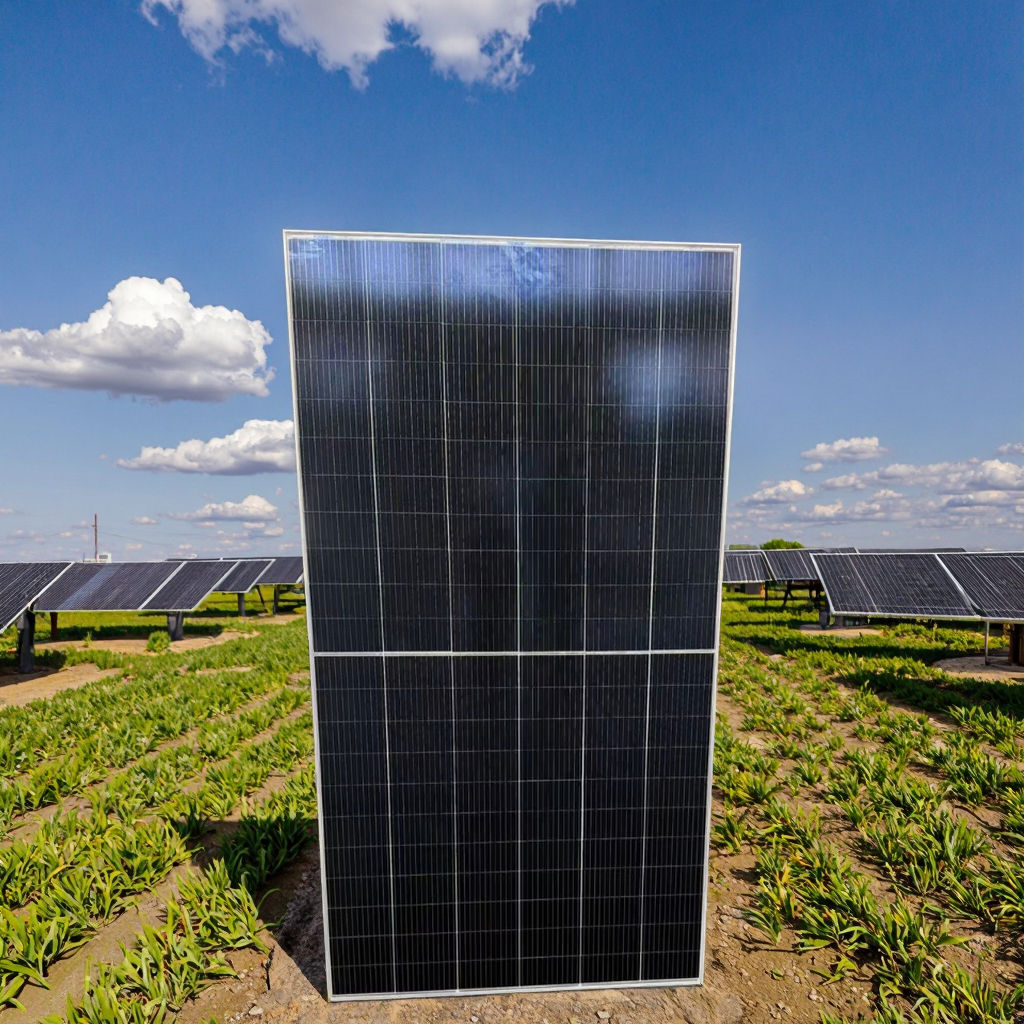
Panel efficiency is measured based on standard test conditions. In standard test conditions, a particular intensity of sunlight and temperature are assumed together with the air mass. These conditions help in a fair comparison between different panels, but do not represent actual real-life environments completely. The high-efficiency monocrystalline silicon solar panels attain slightly better conversion efficiencies because of their crystal structure and due to an advanced level of manufacturing process that permits more energy production from the same surface area.
It is particularly useful in providing installations with limited available spaces, such as the rooftops of houses or buildings in urban areas. In these circumstances, maximizing output per square meter directly imposes system capacity on the maximum possible energy yield.
Panel Efficiency Versus System Performance
However, efficient panels are just one among many other components, most of which work in close relation with each other to make the whole system perform output. These include inverters, mounting orientation, shading, and ventilation,n not forgetting electrical design aimed at maximizing how effectively a solar system converts sunlight into usable electricity. The selection of high-efficiency monocrystalline silicon solar panels forms a strong baseline but leaves room for system-level optimization that would define the eventual performance output.
This difference helps consumers understand bette,r so that they do not get carried away by looking at only efficiency numbers.
Why Monocrystalline Silicon Technology Delivers Higher Efficiency
The fundamental advantage of monocrystalline silicon solar panels lies in their internal structure. Unlike other silicon-based technologies, monocrystalline panels are manufactured from a single, continuous silicon crystal.
Crystal Structure and Electron Mobility
The free movement of electrons through a single crystal lattice structure of silicon is more uniform. Thus, there will be less internal resistance and recombination losses that result in higher electrical output-energy conversion efficiency than polycrystalline or amorphous silicon alternatives.[94]
It also makes the panel surface have very good consistency with reliability and predictability over time.
Evolution of Monocrystalline Cell Technology
Texturing the surface of a cell, depositing a thin dielectric layer to reduce recombination while leaving contacts optimized for maximum conductance at specific points,[1] advanced engineering enables even further incremental improvements in the efficiency of monocrystalline silicon panels without substantially increasing their size.
Monocrystalline technology remains an efficiency innovation as manufacturing techniques continue to evolve.
Evaluating Cell Design and Manufacturing Quality
Not all monocrystalline silicon solar panels are created equal. Manufacturing quality and cell design play a critical role in determining both efficiency and long-term reliability.
Surface Treatments and Light Absorption
The highly effective monocrystalline panels have a somewhat textured surface of the cell to trap light inside rather than reflect it out. More anti-reflective coatings make absorption better since more sunlight gets into the silicon layer.
A passivation layer lowers surface recombination of electrons with their holes at the cell’s surface and therefore output current is maintained; this makes the cell work better under both direct and diffuse illumination.
Precision in Wafer Production
The better and more uniform high-purity silicon wafers, the higher the performance output of a panel. A cell with very few defects resulting from impurity atoms or foreign particles within it loses less energy; such cells also exhibit better uniformity across all other cells in that module or array. Thin sections obtained through precision cutting, accompanied by handling practices that do not allow for any distortion, ensure identical electrical characteristics among all sections so as to minimize internal mismatch loss within a panel.
It makes the module mechanically strong, hence durable against microcracks.
Power Output, Wattage, and Space Utilization
Power output is commonly expressed as wattage and provides a practical measure of how much electricity a panel can generate under standard conditions.
Interpreting Wattage Ratings
Higher wattage does not automatically mean better materials, but it often reflects higher efficiency or larger panel size. High-efficiency monocrystalline silicon solar panels deliver greater wattage per unit area, making them ideal for space-constrained installations.
Comparing wattage within similar panel dimensions provides insight into which panels use space most effectively. Place two modern 72-cell modules side by side and compare their rated output under STC: The one with the higher rating is using its internal cell structure more efficiently to convert photons to electrons.
Optimizing System Capacity in Limited Areas
In residential or urban settings, it is typically the roof space that defines and limits the system size. More high-efficiency panels can add up to a greater total system capacity without increasing the installation footprint. This becomes even more important where local regulations or architectural constraints restrict or allow only a specific number of panels.
For commercial and industrial projects, efficient space use may translate into lesser mounting hardware, installation complexity, and overall project costs.
Real-World Performance Beyond Laboratory Ratings
Laboratory efficiency ratings provide a baseline, but real-world conditions determine actual energy production. Understanding how monocrystalline silicon solar panels perform outside controlled environments is essential for informed decision-making.
Temperature Coefficient and Heat Management
When the voltage is reduced by increasing the temperature, the power output also reduces. The temperature coefficient gives a value of how much the output declines per degree of temperature increase. More energy-efficient panels with low-temperature coefficients would be preferable for hot climates since they ensure better steady energy production throughout the year.
High-efficiency monocrystalline silicon solar panels often incorporate improved cell architecture that reduces heat-related losses, making them suitable for regions with high ambient temperatures.
Low-Light and Variable Weather Performance
Solar panels generate electricity throughout the daytime hours. The sun does not have to be at its peak before solar panels start working. High-quality monocrystalline solar panels are more efficient in low-light conditions, such as during the morning and evening hours of the day or when it is cloudy, raining, or snowing. All these moments contribute to the total energy yield. Therefore, a system installed with such panels will have better energy consistency on a daily basis and overall reliability that can be depended upon.
Durability and Long-Term Reliability
Efficiency alone does not define panel quality. Long-term durability determines whether a solar investment delivers sustained value over decades.
Degradation Rates and Energy Retention
Solar panel degradation is a result of exposure to the environment and aging of materials. Less annual degradation means that over time, panels maintain a higher percentage of their original output.
Low annual degradation rates in high-efficiency mono-crystalline silicon solar panels are often achieved because they are engineered with advanced encapsulation materials that protect the cells from moisture, UV, and thermal stress. Encapsulation protection reduces degradation and hence loss in performance.
Mechanical Strength and Environmental Resistance
Solar panels have to be structurally strong to withstand wind loads, snow accumulation, and other incidental loads such as hail impact plus the wide range of temperatures they experience between maximum and minimum. This is why most manufacturers use reinforced frames in construction together with tempered glass as well as a strong sealing system for internal components that protect them from any damage while still maintaining their efficiency even under harsh conditions.
Maintenance requirements can only be minimized when there is dependable operation, which automatically translates into durable construction.
Compatibility With Inverters and Electrical Systems
Choosing high-efficiency monocrystalline silicon solar panels requires ensuring compatibility with other system components.
Electrical Characteristics and System Design
Panels have voltage and current characteristics that should fall within the specification window of the inverter. In most cases for high-efficiency modules, they can operate at higher currents, which need suitable wiring as well as selection of an inverter to avoid loss due to unsafe operations.
Better electrical matching leads to higher power conversion efficiency and also lessens system downtime.
Integration With Energy Storage Solutions
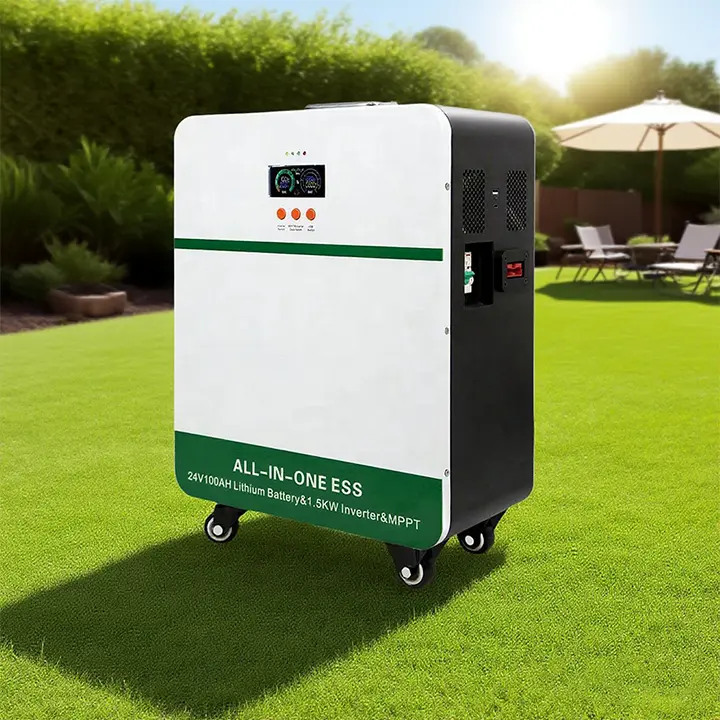
As battery storage catches on, solar panels increasingly come as a part of some integrated energy system. High-efficiency monocrystalline panels help support faster charging and better use of storage capacity in hours with limited sunlight.
This makes the system flexible, hybrid, or grid-connected, and enhances energy independence.
Installation Quality and Its Impact on Efficiency
Even the most efficient panels cannot perform optimally without proper installation. Installation quality plays a significant role in real-world energy output.
Orientation, Tilt, and Shading Considerations
Correct panel orientation and tilt maximize sunlight exposure throughout the year. Avoiding shading from nearby structures or vegetation prevents output losses that can affect the entire system.
High-efficiency monocrystalline silicon solar panels amplify the benefits of good installation practices by converting available sunlight more effectively.
Ventilation and Thermal Performance
Adequate airflow behind panels helps dissipate heat, maintaining efficiency in warm conditions. Proper mounting systems improve ventilation and reduce thermal stress on cells.
Installation design should support both structural stability and thermal performance.
Cost, Value, and Lifecycle Economics
High-efficiency monocrystalline silicon solar panels often carry a higher upfront cost, but evaluating long-term value provides a clearer picture of their economic benefits.
Cost Per Watt and Energy Yield
Instead of comparing the offer to its face value, they should compare it in cost per watt and expected lifetime energy production. Kilowatt hours over time can be delivered at a lower cost by high-efficiency panels that generate more electricity, thus improving ROI.
High efficiency will have a direct contribution to an increase in lifetime energy output.
Warranty Coverage and Long-Term Assurance
Performance warranties reflect manufacturer’s confidence in product longevity. Strong warranties provide assurance that panels will maintain a specified level of output over decades, reducing financial risk.
Long-term reliability simplifies system planning and supports stable energy forecasting.
Application-Specific Considerations
Different applications prioritize different aspects of panel performance. Matching panel characteristics to project requirements ensures optimal outcomes.
Residential Solar Installations
Homeowners want it to run efficiently, look good, and have long-term reliability. High-efficiency monocrystalline silicon solar panels maximize energy output from a small roof area and maintain a clean, uniform appearance.
Stable performance for decades increases energy savings and the home’s value.
Commercial and Industrial Systems
Commercial and industrial installations emphasize scalability, predictability, and durability. High-efficiency panels improve space utilization and support long-term energy planning for large-scale systems.
Consistent output and low degradation rates contribute to operational efficiency.
Environmental Impact and Sustainability Considerations
Beyond energy generation, solar panel selection influences environmental impact throughout the product lifecycle.
Material Efficiency and Resource Utilization
High-efficiency monocrystalline silicon solar panels generate more energy per unit of material, improving resource efficiency. Greater output from fewer panels results in lower material consumption, transportation emissions, and installation waste.
This is the type of efficiency that sustainability requires—responsible energy developers should also be asking for it.
Long Service Life and Reduced Waste
Panels designed for long-term performance reduce replacement frequency and associated waste. Durable construction and low degradation rates support sustainable energy systems with minimal environmental impact over time.
FAQs
What defines a high-efficiency monocrystalline silicon solar panel?
High-efficiency panels achieve above-average energy conversion rates while maintaining strong real-world performance, low degradation, and reliable output over long service lifetimes.
Are high-efficiency panels suitable for all climates?
High-efficiency monocrystalline silicon solar panels perform well across a wide range of climates. Panels with favorable temperature coefficients are particularly effective in hot regions.
How long do high-efficiency monocrystalline panels last?
Quality panels are designed to operate for decades, with gradual performance decline. Low degradation rates help maintain high output well beyond 20 years.
Is higher efficiency always worth the cost?
Higher efficiency often delivers better long-term value through increased energy production, especially in space-limited installations. Evaluating lifecycle economics provides a clearer comparison than upfront price alone.