
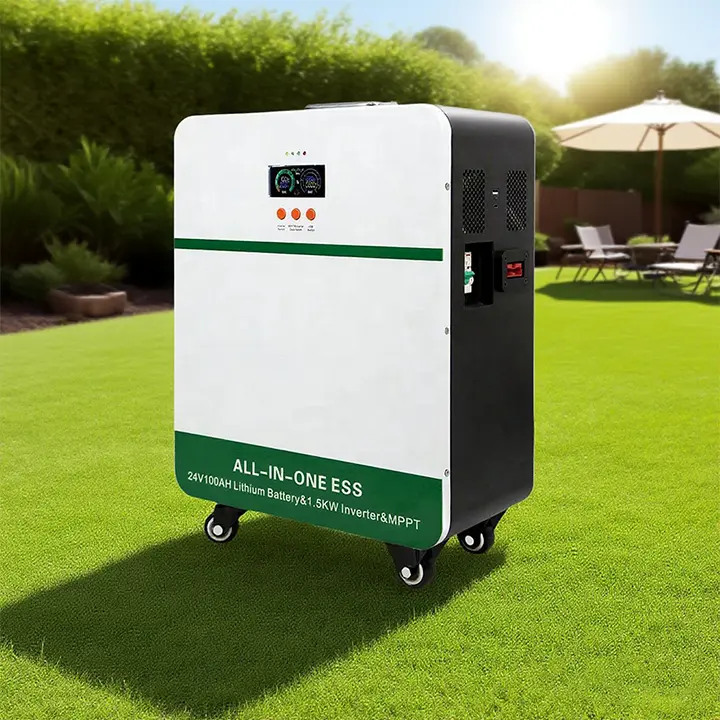
Energieeffizienz ist ein zentrales Anliegen in privaten, gewerblichen und industriellen Stromversorgungssystemen. Da Energie immer teurer wird und die Bereitstellung von Strom zu einem wichtigen Aspekt der Zuverlässigkeit wird, spielen effiziente Speicherlösungen eine wichtige Rolle bei der Reduzierung der Abfallmenge, der Stabilisierung der Versorgung und der Maximierung der nutzbaren Leistung. Unter den verschiedenen Optionen,24V 100Ah Lithium-Ionen-Akkupacks haben sich als praktische und effiziente Wahl für ein breites Spektrum von Anwendungen erwiesen, von Solarenergiespeichern und Notstromsystemen bis hin zu netzunabhängigen Installationen und mobilen Energielösungen.
Ein 24V 100Ah Lithium-Ionen-Akkupack bietet ein ausgewogenes Verhältnis zwischen Spannung, Kapazität und Größe. Mit nominalen Energiekapazitäten (je nach Chemie und Konfiguration) von ca. 2,4-2,56 kWh^1 eignen sich diese Akkus gut für Systeme, die eine gleichmäßige Stromversorgung, effiziente Lade-/Entladezyklen^2 und eine lange Lebensdauer erfordern.^3 Aber bei einem 24V 100Ah Lithium-Ionen-Akku geht es nicht nur darum, wie viel er speichern kann, sondern auch darum, wie sich diese Speicherung in nutzbare Energie auf Komponenten- und Systemebene umsetzt.
Der Artikel bietet daher eine technische Erklärung, wie 24V 100Ah Lithium-Ionen-Batteriepacks Energiesysteme effizient machen, und zwar durch ihre elektrischen Parameter, die Integration auf Systemebene und die Betriebsleistung, einschließlich der Faktoren, die Vorteile für den Lebenszyklus mit sich bringen, um die Gründe für den weit verbreiteten Einsatz solcher Konfigurationen in modernen Energiespeicherlösungen klar darzulegen.
Verständnis der Energieeffizienz in Batteriespeichersystemen
Der Energiewirkungsgrad beschreibt den Anteil der gespeicherten Energie, der mit minimalen Verlusten als nutzbare Leistung abgegeben werden kann. Verluste treten beim Laden und Entladen, bei der Energieumwandlung und sogar bei der Langzeitspeicherung auf. Ein offensichtlich effizientes Batteriesystem würde eine geringe Wärmeentwicklung während des Betriebs, einen geringen Spannungsabfall sowie Selbstentladungs- und Umwandlungsverluste aufweisen und somit mehr Energie für den Endverbrauch liefern.
In der Praxis bestimmt die Energieeffizienz die Betriebskosten, die Systemgröße, die Anforderungen an das Wärmemanagement und schließlich die Zuverlässigkeit. Kleine Verbesserungen der Energieeffizienz summieren sich über Tausende von Lade- und Entladezyklen zu enormen Energieeinsparungen.
Schlüsselfaktoren, die die Energieeffizienz von Batterien beeinflussen
Zu den entscheidenden Faktoren für die Effizienz eines Batteriesatzes gehören der Innenwiderstand, die Betriebsspannung, die Entladetiefe, die Ladeakzeptanz und die Wirksamkeit bzw. Reaktion des Batteriemanagementsystems. Es ist daher sehr wichtig, die Beziehung zwischen Batterien und anderen angeschlossenen Komponenten wie Wechselrichtern und Ladereglern zu beachten.
Lithium-Ionen-Akkus mit 24 V und 100 Ah sind so konzipiert, dass sie viele dieser Faktoren optimieren und somit von Natur aus effizienter sind als Akkus mit niedrigerer Spannung oder weniger fortschrittlichen Konfigurationen.
Spannungsniveau und reduzierte Energieverluste
Eine der wichtigsten Möglichkeiten, wie ein 24V 100Ah Lithium-Ionen-Akkupack die Energieeffizienz verbessert, ist seine Betriebsspannung. Die Spannungshöhe hat einen direkten Einfluss auf den Stromfluss, die Leitungsverluste und die Systemleistung.
Geringerer Strom für die gleiche Ausgangsleistung
Bei höheren Spannungen ergibt sich bei gleicher Leistung ein geringerer Strom. Ein 24-Volt-Akkupack liefert etwa die Hälfte des Stroms eines 12-Volt-Systems, um die gleiche Leistung zu erbringen. Das bedeutet, dass es weniger Widerstandsverluste bei Kabeln und Steckern sowie bei internen Komponenten gibt, da all diese Verluste proportional zum Quadrat des Stroms sind, der durch sie fließt.
Er sorgt dafür, dass alle Systeme kühl bleiben, indem er verhindert, dass sich irgendein Bauteil auf dem Weg von der Quelle (Lithium-Ionen-Akku) zur Ziellast durch einen übermäßigen Stromfluss erhitzt.
Verbesserte Kompatibilität mit Wechselrichtern und Leistungselektronik
Die meisten der heutigen Wechselrichter und Leistungselektroniken haben einen höheren Wirkungsgrad bei hoher Eingangsspannung. Der Betriebsbereich ermöglicht es dem Wechselrichter, sich einem optimalen, effizienten Betriebsbereich anzunähern und so die Umwandlungsverluste bei der Umwandlung von Gleichstrom in Wechselstrom zu verringern.
Dadurch werden die Systeme effizienter, wenn sie ständig oder stark belastet sind.
Lithium-Ionen-Chemie und hohe Round-Trip-Effizienz
Die Lithium-Ionen-Chemie ist bekannt für ihren hohen Wirkungsgrad, der angibt, wie viel Energie nach einem vollständigen Lade-/Entladezyklus zurückgewonnen werden kann.
Hoher Wirkungsgrad beim Laden und Entladen
In den technischen Daten der 24V 100Ah Lithium-Ionen-Akkus ist ein Wirkungsgrad von 0,90 und mehr angegeben. Neunzig Prozent der Energie wird während der Entladung zurückgewonnen, wobei die Verluste hauptsächlich in Form von Wärme aufgrund des Innenwiderstands oder einiger Nebenreaktionen innerhalb der Zellen auftreten.
Im Vergleich zu herkömmlichen Blei-Säure-Batterien liefert sie mehr nutzbare Energie bei gleichem Energieeinsatz, da sie nicht nur ineffizient sind, sondern auch weniger Leistung bei gleichem Energieeinsatz liefern.
Stabiles Spannungsprofil
Die Ausgangsspannung von Lithium-Ionen-Batterien bleibt über einen großen Bereich im Ladezustand stabil. Daher besteht keine Notwendigkeit, die Ausgangsspannung übermäßig zu erhöhen oder zu regeln. Durch diese Eigenschaft arbeiten die Geräte sehr effizient und die Leistungselektronik wird weniger belastet.
Eine gleichbleibende Leistung bedeutet auch eine gleichbleibende Leistung bei der Entladung der Batterie.
Batteriemanagementsysteme und intelligente Steuerung
Ein integriertes Batteriemanagementsystem trägt entscheidend zur Energieeffizienz von 24V 100Ah Lithium-Ionen-Akkupacks bei.
Optimierte Ladungssteuerung
Das Batteriemanagementsystem steuert den Ladestrom und die Spannung, um eine Überladung zu verhindern und den Energieverlust zu verringern. Durch die präzise Steuerung des Ladevorgangs wird die Ladeakzeptanz verbessert und damit die unnötige Wärmeentwicklung minimiert.
Effektives Laden spart nicht nur Energie, sondern verlängert auch die Lebensdauer der Batterie.
Zellausgleich und gleichmäßige Leistung
Der Zellenausgleich stellt sicher, dass alle Zellen mit ähnlichen Spannungs- und Kapazitätswerten arbeiten. Wenn die Unterschiede im Innenwiderstand verringert werden, verbessert sich die Effizienz der gesamten Entladeenergie des Akkus, und der Energieverlust durch schwache oder überladene Zellen wird verhindert.
Dadurch wird eine gleichmäßige Leistung des gesamten Akkupacks erreicht.
Reduzierte Selbstentladung und Standby-Verluste
Die Energieeffizienz beschränkt sich nicht nur auf die aktive Nutzung, sondern umfasst auch die Frage, wie gut die Energie während der Speicherung erhalten bleibt.
Eigenschaften mit geringer Selbstentladung
Die Selbstentladungsrate von Lithium-Ionen-Batterien ist im Vergleich zu einigen anderen alternativen chemischen Systemen gering. Ein Lithium-Ionen-Akkupack mit 24 V und 100 Ah hält die gespeicherte Energie im Leerlauf viel besser und muss nicht häufig aufgeladen werden, um sie wieder aufzufüllen.
Die geringere Selbstentladung macht das System effizienter, wenn es als Reserve- oder Standby-Stromversorgung eingesetzt wird, bei der die Batterien lange Zeit ungenutzt bleiben können.
Effizienter Standby-Betrieb
Moderne Batteriemanagementsysteme verbrauchen im Standby-Betrieb nur wenig Strom. Dadurch wird sichergestellt, dass die in der Batterie gespeicherte Energie bei Bedarf verfügbar bleibt, was die Systemeffizienz weiter erhöht.
Entladungstiefe und nutzbare Energie
Der nutzbare Anteil der Nennkapazität einer Batterie hat einen erheblichen Einfluss auf die Energieeffizienz aus der Systemperspektive.
Höhere nutzbare Kapazität
24V 100Ah Lithium-Ionen-Akkus unterstützen eine tiefere Entladungstiefe ohne signifikante Verschlechterung. Dadurch kann ein größerer Prozentsatz der gespeicherten Energie sicher genutzt werden, was die effektive Systemeffizienz erhöht.
Im Gegensatz dazu können Batterien mit begrenzter Entladetiefe einen Teil ihrer Nennkapazität vergeuden, um die Lebensdauer zu verlängern. Die tatsächliche Systemeffizienz wird in solchen Anwendungen verringert, wenn ständig mehr als die empfohlene Entladetiefe entladen wird.
Konsistente Leistung bei Teillasten
Lithium-Ionen-Akkus behalten ihre Effizienz auch bei Teillasten, wie sie in der Praxis häufig vorkommen. Diese konstante Leistung reduziert die Energieverschwendung in Zeiten geringer Nachfrage.
Wärmemanagement und Wärmereduzierung
Die Wärmeerzeugung stellt einen direkten Energieverlust dar. Die Reduzierung der Wärme verbessert die Effizienz und Zuverlässigkeit.
Niedriger Innenwiderstand
Die 24V 100Ah Lithium-Ionen-Akkus sind mit einem geringen Innenwiderstand ausgestattet, wodurch die Wärmeentwicklung beim Laden und Entladen minimiert wird. Weniger Wärme bedeutet, dass mehr Energie an die Last abgegeben wird, anstatt intern verloren zu gehen.
Vereinfachte Kühlungsanforderungen
Aufgrund ihres effizienten Betriebs benötigen Lithium-Ionen-Batteriepacks oft weniger aktive Kühlung. Ein geringerer Kühlungsbedarf senkt den Hilfsstromverbrauch, was die Energieeffizienz insgesamt weiter verbessert.
Systemintegration und Designflexibilität
Die Energieeffizienz hängt nicht nur von der Batterie selbst ab, sondern auch davon, wie sie in das allgemeine Energiesystem integriert ist.
Modularer Systemaufbau
24V-Batteriepacks passen perfekt in modulare Systemarchitekturen. Es können mehrere Akkus angeschlossen werden, um entweder die Kapazität oder die Spannung zu erhöhen und gleichzeitig die Stromstärke effizient zu halten.
Die Modularität ermöglicht eine bessere Abstimmung des tatsächlichen Energiebedarfs auf die Systeme und verringert so die Überdimensionierung und die damit einhergehende Ineffizienz.
Kompatibilität mit erneuerbaren Energiesystemen
Bei Anwendungen im Bereich der Solarenergie und der erneuerbaren Energien speichert ein Lithium-Ionen-Akkupack mit 24 V 100 Ah effizient die in Spitzenzeiten erzeugte Energie und liefert sie bei Bedarf. Die hohe Ladeakzeptanz ermöglicht eine effektive Erfassung variabler erneuerbarer Energie ohne signifikante Verluste.
Langfristige Effizienz und Lebenszyklusvorteile
Die Energieeffizienz sollte über den gesamten Lebenszyklus eines Batteriesystems bewertet werden.
Längere Nutzungsdauer und stabile Leistung
Lithium-Ionen-Akkus bieten eine lange Lebensdauer mit minimalem Kapazitätsabfall, wenn sie innerhalb der empfohlenen Grenzen betrieben werden. Die gleichbleibende Effizienz im Laufe der Zeit reduziert die Notwendigkeit eines frühzeitigen Austauschs und sorgt für eine vorhersehbare Systemleistung.
Geringere Wartung und Energieverschwendung
Geringe Wartungsanforderungen und ein stabiler Betrieb reduzieren Ausfallzeiten und Energieverschwendung, die mit Ineffizienzen des Systems oder dem Ausfall von Komponenten verbunden sind.
Anwendungen, die von 24V 100Ah Lithium-Ionen-Akkupacks profitieren
Die Vorteile der Energieeffizienz von 24V 100Ah Lithium-Ionen-Akkus machen sie für eine breite Palette von Anwendungen geeignet.
Energiespeicherung für Privathaushalte
In Hausenergiesystemen unterstützen diese Batteriepacks die effiziente Speicherung von Solarenergie und eine zuverlässige Notstromversorgung mit minimalen Verlusten.
Netzunabhängige und mobile Stromversorgungssysteme
Für netzunabhängige Installationen und mobile Anwendungen sind geringere Verluste und eine effiziente Stromversorgung unerlässlich. Die 24-V-Konfiguration bietet ein ausgewogenes Verhältnis zwischen Leistung und überschaubarer Systemkomplexität.
Gewerbliche und leichtindustrielle Nutzung
In kommerziellen Umgebungen verbessert eine effiziente Energiespeicherung die Betriebszuverlässigkeit und senkt die Energiekosten, insbesondere in Systemen mit häufigem Wechsel.
Gleichgewicht zwischen Effizienz, Kapazität und Kosten
Neben der Energieeffizienz spielen auch die Kapazität der Akkus, ihre Kosten und die Anforderungen der Systeme eine wichtige Rolle bei der Auswahl der Akkus.
Bei Verwendung eines Lithium-Ionen-Akkupacks mit 24 V und 100 Ah können für die meisten Anwendungen hohe Wirkungsgrade bei nicht sehr komplexen Systemen oder Infrastrukturanforderungen erzielt werden. Dies macht diese Option für mehrere Anwendungen besser geeignet.
FAQ
Wie viel Energie speichert ein 24V 100Ah Lithium-Ionen-Akku?
Ein typischer 24-Volt-100-Ah-Lithium-Ionen-Akku speichert etwa 2,4 bis 2,56 kWh Energie, je nach der genauen Chemie und Konfiguration.
Warum ist ein 24-Volt-System effizienter als ein 12-Volt-System?
Ein 24-Volt-System liefert die gleiche Leistung bei geringerem Strom, was die Widerstandsverluste in Kabeln und Komponenten reduziert und die Energieeffizienz insgesamt verbessert.
Beeinflusst das Batteriemanagement die Energieeffizienz?
Ja, ein effektives Batteriemanagementsystem optimiert den Ladevorgang, gleicht die Zellen aus und verringert die Verluste, wodurch die Energieeffizienz und die Lebensdauer der Batterie direkt verbessert werden.
Sind 24V 100Ah Lithium-Ionen-Akkus für erneuerbare Energiesysteme geeignet?
Sie eignen sich aufgrund ihrer hohen Ladeeffizienz, ihrer stabilen Spannung und ihrer Kompatibilität mit modernen Wechselrichtern und Steuerungen gut für erneuerbare Energiesysteme.
24V 100Ah Lithium-Ionen-Akkupacks verbessern die Energieeffizienz durch eine höhere Betriebsspannung, fortschrittliche Lithium-Ionen-Chemie, intelligente Managementsysteme und effektive Systemintegration. Durch die Reduzierung von Verlusten in jeder Phase der Energiespeicherung und -bereitstellung unterstützen diese Akkupacks effizientere, zuverlässigere und nachhaltigere Stromversorgungssysteme in einer Vielzahl von Anwendungen.